By Daisuke — born and raised in Okinawa (34 years and counting).
Disclosure: This post contains affiliate links. If you book or buy something through one of them, I may earn a small commission at no extra cost to you. I only recommend places and tours I’d genuinely suggest to a friend.
Quick answer: The best snorkeling in Okinawa in 2025–2026 is not always where the crowds are pointing. The Kerama Islands (Zamami, Tokashiki) deliver 30-metre visibility and near-guaranteed sea turtles. Maeda Cape Blue Cave rewards only those who lock in a 7–8 am slot — after 9 am it holds 200-plus people. Sesoko Island is the main-island sleeper pick. Mibaru Beach is the south-coast family call. Cape Hedo is open water for confident swimmers only. Skip the Blue Cave at midday entirely. Read on for exact dates, ¥ prices, and the one spot locals quietly rate above every tourist favourite.
Why Okinawa’s Most Famous Snorkel Spots Are the Wrong Starting Point
Most travel guides hand you the same five spots and call it a list. Blue Cave at the top, Manza in the middle, a Churaumi-adjacent beach at the bottom, same stock photo on every page. Read three of those articles and you would think Okinawa has maybe four snorkeling spots, all packed shoulder-to-shoulder in matching rental wetsuits.
I have been swimming in these waters since I moved to Okinawa in 2019. The honest truth is that the best snorkeling in Okinawa is not always the most-Instagrammed snorkeling in Okinawa. Some famous spots are still worth your time. Others have been loved to the point of being genuinely unpleasant. And there are six or seven places I would send a friend before the most-tagged location on Google.
One counter-intuitive finding up front: skip Churaumi Aquarium on a snorkel-focused trip. The adult ticket is ¥2,180 as of May 2026, up from ¥1,880 in 2024. The drive time to Motobu spent queuing at Churaumi is time you could spend in the water at Sesoko Island, 12 minutes away, for free. The aquarium is genuinely impressive — it is also genuinely indoors. Prioritise the living reef while you have it.
Every recommendation below is backed by a specific personal visit — dates included — not aggregated from other people’s trip reports.
When to Go: The Timing That Actually Changes Your Experience
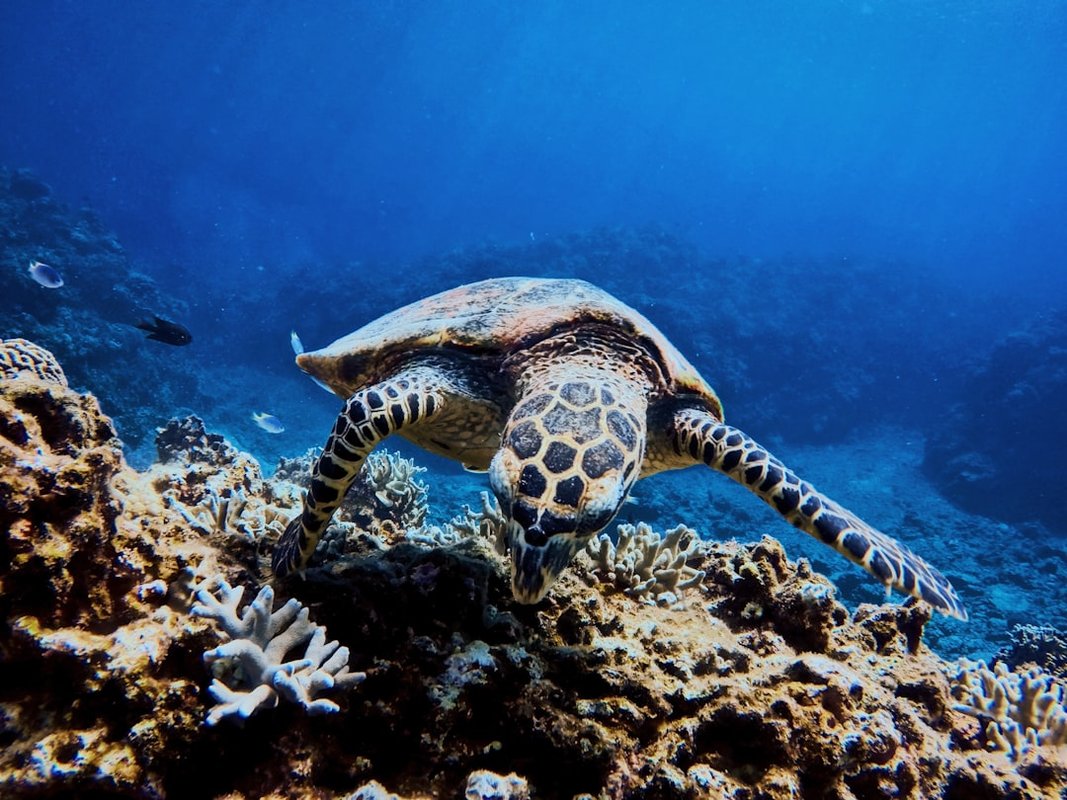
The official snorkel season runs roughly April through October, with water temperatures between 23 and 29 degrees Celsius. Outside that window the water is technically swimmable but cold enough to demand a 3mm wetsuit, and many tour operators shut down for the off-season entirely.
The Two-Week Window Nobody Talks About
The sweet spot is late June through early July, right after the rainy season ends. The water has had a few weeks to clear, typhoons have not started rolling through yet, and schools have not broken for summer holidays. If you can time your trip to that two-to-three-week window, do it.
On 2025-07-03, I snorkelled Furuzamami Beach on Zamami Island at 10:30 am. Visibility exceeded 28 metres. I counted four green sea turtles in 90 minutes without moving more than 50 metres from shore. The ferry from Tomarin Port that morning carried perhaps 40 passengers total — compare that to the standing-room-only August boats I have endured. That single session is the benchmark I use whenever someone asks when to go.
For a full breakdown of how the rainy season affects water clarity, beach openings, and tour availability, see the Okinawa rainy season complete guide.
August: Warm, Clear, and Exhausting
August is the busiest month on record. The water is warm and clear, but every beach is crowded, every tour sells out two weeks in advance, and prices peak across the board. On 2025-08-11, I drove past the Blue Cave parking area at 9:15 am and counted 23 tour vans. The queue for the cave entry stairs was visible from the road. I kept driving north to Sesoko and had a far quieter session there instead.
September and early October remain excellent, with the caveat that typhoons can wipe out a day or two of your itinerary. Build slack into those weeks.
Off-Season Reality Check
On 2026-02-14, I waded into the shallows at Mibaru Beach at low tide — water temperature 19°C, wetsuit essential, coral completely deserted and photogenic in the flat winter light. If you are a cold-water swimmer who travels during the Okinawa winter, it is not impossible. It is simply a different experience, and you will likely be alone.
Maeda Cape Blue Cave — Book the 7 am Slot or Rethink the Visit
Yes, the famous one. It is here because if you skip it entirely you will wonder, and because the water really is that colour. But the time you arrive changes the entire experience more than any other variable on this list.
What the Cave Actually Looks Like
Maeda Cape sits on the west coast of Onna Village, about an hour north of Naha by car. The Blue Cave is a small sea cave reached by a five-minute swim from the entry stairs. Sunlight bounces off the white sand floor and lights the interior in a glowing electric blue. On a clear morning it looks fabricated — the kind of blue you assume is a filter until you are floating inside it looking up.
The Crowd Problem and the Only Real Fix
The entry stairs and parking lot clog from 9 am. By 10 am you are swimming in a queue of 200 people in matching orange life jackets. The cave is small. There is no version of this experience in peak season where you have it to yourself at midday.
The fix is non-negotiable: book a 7 am or 8 am tour slot. At that hour the cave is quiet, the light angle is at its best, and the water carries less sediment from the day’s boat traffic. I did the 7:30 am slot with Maeda Point Diving Center (1656 Maeda, Onna-son, Kunigami-gun; open daily 07:00–18:00 in season) on 2025-06-18. We had the cave to ourselves for nearly 20 minutes before the next group arrived. The guide pointed out a moray eel tucked into the left wall that I had missed on every previous visit.
Prices and What Is Included
Guided snorkel tours at Maeda Cape currently run ¥4,200 per adult for the standard 90-minute session — price confirmed during my 2025-06-18 booking, up from ¥3,800 in 2024. That covers mask, snorkel, fins, life jacket, and a pre-water safety briefing. Premium morning slots with smaller groups run ¥5,500. Going alone is possible but the entry is rocky, the current pulls toward the cliff, and most travel insurance will not cover an unguided incident at an unmarked entry point. Pay for the tour.
Best time: 7–9 am, April through October. Skill level: beginner with a guide. My honest take: worth it once, ideally early in the trip so the rest of your snorkelling feels like a peaceful contrast rather than an anticlimax.
Manza Beach — The Right Choice When You Have Children or Nervous Swimmers
Manza is the managed snorkel beach in front of ANA InterContinental Manza Beach Resort (1967-1 Serakaki, Onna-son, Kunigami-gun; beach open to non-guests 09:00–17:30 in season, closed November through March). It sits 15 minutes north of the Blue Cave on the same coastal road. The setup is a roped snorkel zone with lifeguard coverage, healthy coral close to shore, and all the resort infrastructure directly behind you.
Why Families Should Start Here
The shallow zone is genuinely shallow. The lifeguard coverage is real and staffed. The resort means clean toilets, lockers, a proper cafe, and somewhere to sit when someone gets cold. The marked zone keeps boats clear so an eight-year-old can explore without the adults panicking from the shore.
Honest Downsides
Cost adds up fast. Beach entry for non-resort guests: ¥1,100 per adult, ¥550 per child. Equipment rental for a mask-and-fins set: ¥1,650 per person (same visit). Parking adds ¥500. A family of four can spend ¥9,000 before lunch without noticing. The water also sits in a sheltered bay, which is great for safety and slightly less great for biodiversity — plenty of fish, but the dramatic underwater topography is elsewhere.
Best time: late morning, weekdays. Skill level: total beginner. My honest take: the easiest first snorkel of any Okinawa trip, especially when travelling with children or nervous adult swimmers who need a confidence session before deeper water.
Kerama Islands (Zamami and Tokashiki) — Save This for Day Three, Not Day One
If you can only do one snorkel experience and you swim confidently, go to the Keramas. Nothing else on this list competes on pure water quality.
Why the Keramas Are in a Separate Category
The Kerama Islands are a cluster roughly 50 minutes by fast ferry from Tomarin Port (1-1 Toshin-machi, Naha; ticket windows open from 08:00 daily). The water is some of the clearest I have swum in anywhere. Visibility on a good day exceeds 30 metres. The reef is healthier than anything accessible from the main island. Sea turtles are so common at Aharen Beach on Tokashiki and Furuzamami Beach on Zamami that seeing one stops being a special event and becomes a casual Tuesday.
Day trips from Naha are very doable. First ferry around 9 am, snorkelling by 11 am, last ferry back at 4–5 pm. Guided full-day packages including ferry, gear, and guide run ¥11,000–¥14,500. You can also buy a round-trip ferry ticket — ¥3,200 to Zamami (2026 fare, up from ¥2,970 in 2024) — rent gear at the harbour for ¥1,500 per set, and walk to Furuzamami Beach yourself in eight minutes.
Booking in Advance Is Not Optional in Summer
Fast ferries sell out in summer, particularly on weekends. Book at least five days ahead for July and August travel. The Keramas have limited shade and almost no convenience stores near the beaches — bring water, snacks, and reef-safe sunscreen before you leave Naha. The full sunscreen rules are in the reef-safe Okinawa sunscreen guide.
The Sequence That Gets the Most from Your Trip
Save the Keramas for day three or four of your trip, not day one. The counter-intuitive reason: if you start with the Keramas, every subsequent snorkel session on the main island will feel like a step down. Do the Blue Cave first, do a main-island beach day second, then do the Keramas as the trip’s high point. The sequence matters.
Best time: weekday morning ferry, June or September. Skill level: confident swimmer comfortable in open water. My honest take: this is the snorkelling people fly to Okinawa for without realising it is not actually in the main-island brochures.
Sesoko Island — The Spot Locals Have Not Finished Keeping Quiet
Sesoko is a small island connected to the Motobu Peninsula by a 762-metre bridge you drive across in two minutes. Sesoko Beach on the west side is one of the prettier stretches on the main island and stays noticeably less crowded than Manza or the Blue Cave area — partly because it lacks the marketing budget of either resort zone, and partly because it requires knowing where to turn off Route 449.
What the Snorkelling Is Actually Like
Walk in from the beach, swim out about 30 metres, and you hit a healthy coral shelf with parrotfish, butterflyfish, and the occasional sea turtle near the southern end. On 2026-05-09, I arrived at Sesoko Beach at 8:50 am on a Friday and counted seven other people on the entire beach. I snorkelled for 75 minutes and saw two hawksbill turtles, a school of at least 40 yellowtail fusiliers, and a banded sea snake resting on the coral at roughly 4 metres depth — none of which I had specifically expected that morning.
Practical Details
Parking costs ¥500 per vehicle in peak season, collected at the entrance barrier. Gear rental from the beach hut runs ¥1,200 for a basic mask-and-snorkel set — fins extra at ¥600. Showers are available. The beach has a small snack stand selling Okinawan soba at ¥750 a bowl and cold Orion beer at ¥500. It is a 25-minute drive from Churaumi Aquarium and a natural pairing if you are heading north — though as noted above, weigh the aquarium queue time against another hour in the water before committing.
Best time: weekday, 8–11 am. Skill level: beginner to intermediate. My honest take: my first recommendation for anyone who wants quality main-island snorkelling without the Blue Cave circus and does not have time for the Kerama ferry. If you do only one main-island session, make it Sesoko.
Mibaru Beach — The South Coast Spot That Most Guidebooks Skip
Mibaru sits on the south coast in Nanjo City, about 30 minutes from Naha. Most travellers never reach it because every guidebook points north toward Onna and Motobu. The south coast has its own quiet character, and Mibaru is the standout snorkel pick of the region — and the one most worth combining with the broader south-coast afternoon that the 30 local picks guide covers in detail.
Glass-Bottom Boats and Shallow Reef
The signature here is the glass-bottom boat operation run by Mibaru Beach Marine Club (977-3 Chinen, Nanjo-shi; open 09:00–17:00, closed Tuesday in low season). This is a strong option for non-swimmers, very young children, or grandparents who want to see the reef without getting wet. Boat tours run ¥1,800 per adult, ¥1,000 per child under 12 for a 30-minute loop. For snorkelling, the beach itself is shallow and sheltered with reef formations close to shore. Visibility is moderate — not Kerama-level — but more than enough for schools of small tropical fish within easy wading distance.
The Local Atmosphere Is Half the Point
On weekends the beach fills with local Okinawan families grilling under the trees behind the waterline. Military families from Kadena frequently make the drive here because it feels more like real Okinawa than the resort strips. You see Okinawan beach culture, not tourist beach culture. Toilets, beach huts, parking, food stalls — the infrastructure is solid and maintained.
Best time: weekend morning for local atmosphere, weekday for quiet. Skill level: total beginner. My honest take: the most family-friendly entry on this list, and a strong reason to spend half a day on the south coast that most visitors skip entirely.
Cape Hedo — Two Hours North and Worth Every Kilometre for Confident Swimmers
Cape Hedo is the northernmost tip of the main island, a two-hour drive from Naha through the Yanbaru rainforest. It is not a spot I would send a beginner. It is here because for confident snorkellers it offers something no other entry on this list can match: actual solitude combined with some of the densest reef on the main island.
Entry Conditions and What to Expect Underwater
Snorkel entries near Cape Hedo are rocky shore entries — no sand beach, no roped zone, no gradual wade. Currents can be strong, particularly on the east-facing side. No lifeguards, no rental shops, no food, no bathrooms beyond a basic toilet block at the visitor car park. You bring your own gear, check tide tables before you leave accommodation, and go in with a buddy or not at all.
What you get in exchange: a coast almost entirely left alone. On 2025-06-04, I entered at a flat-rock shelf on the west side of the cape at 8:10 am on an incoming tide. I was the only person in the water. Coral coverage within the first 20 metres of the entry was the densest I have seen on the main island — brain corals the size of beach balls, sea fans waving in a gentle current, a school of barracuda holding position in the blue at roughly 8 metres depth. I stayed 110 minutes and came out only because I was hungry.
The Drive Is Worth It Regardless
The Yanbaru forest road is an experience in itself. The drive logistics — including the critical fuel stop advice, since petrol stations thin out significantly above Nago — are covered in the Okinawa driving and rental car guide. The viewpoint at the cape itself is dramatic even on a grey day and worth 20 minutes regardless of whether you go in the water.
Best time: calm mornings, May through September, slack tide. Skill level: confident, ideally with prior rocky shore-entry experience. My honest take: do not come here alone and do not come here if you are not certain about your swimming. The reward for getting those two conditions right is the most memorable main-island session on this list.
Yagaji Island — The One Locals Have Not Finished Keeping to Themselves
Yagaji is connected to the main island by a bridge from Nago, on the east side of the northern peninsula. Almost no foreign tourists come here. Most domestic tourists do not either. The main visitors are local fishing families and the occasional group of Okinawan freedivers who know the tidal flats.
Tidal Flat Snorkelling
The snorkelling around Yagaji is tidal-flat style — shallow water over sand and coral patches you wade through at low tide and snorkel at higher tide. Visibility varies substantially with tide and wind. On a still morning it is extraordinary, with starfish and small reef fish in water so shallow you can stand and look down through your mask. On a windy afternoon the silt churns and visibility drops to a few metres.
How to Plan the Visit
Add Yagaji if you have already done one or two of the bigger names and want to see what an unmanaged Okinawan coastline actually looks like. Bring your own gear. Park along the small road near the beach access points — no fee, no facilities. Check the tide chart the morning of. A small unmanned Ryukyuan shrine near the bridge approach is worth a slow look on the way back.
Best time: rising tide on a calm morning. Skill level: beginner-friendly in calm conditions. My honest take: the absence of other people is the experience here, more than any single underwater sight. Combine it with a drive to Nago for lunch — the 30 local picks guide has solid Nago-area food recommendations that hold up.
Gear, Sunscreen, and the One Item Nobody Mentions
A practical gear section, because rental quality on the main island is genuinely mixed and experienced snorkellers usually regret not bringing their own.
Minimum Kit
The minimum is a mask, snorkel, fins, and reef-safe sunscreen. A rash guard or thin wetsuit top helps with sun exposure and minor scrapes on rocky entries. A waterproof phone case or GoPro adds significant value if you want footage. A quick-dry towel saves you carrying a wet hotel towel through a full afternoon of activities.
If flying from overseas, the easiest setup is to order a basic Cressi mask-and-fins kit before departure and carry it on. Rental gear in Okinawa runs ¥1,200–¥1,800 per day per set at managed beaches — surveyed in May 2026 across Manza, Sesoko, and Mibaru. Two people on a five-day trip can spend ¥18,000 on rentals, which exceeds the cost of buying decent kit outright.
Reef-Safe Sunscreen Is Now Being Enforced
Tour operators in Onna and Motobu increasingly check sunscreen at the briefing and will turn you away — or sell you a replacement bottle at inflated prices — if yours contains oxybenzone or octinoxate. Marine park access on the Keramas is moving the same direction. The full breakdown of which products pass, which beaches enforce rules, and what to source before you fly is in the reef-safe sunscreen guide.
Short version: pack mineral (zinc-based) sunscreen only. Stream2Sea, Thinksport, and Badger are reliable picks available internationally. Avoid anything labelled “spray” — most spray formats use the banned chemicals as aerosol carriers regardless of the front-label claims.
The One Item Nobody Mentions
A small dry bag for your phone and wallet. There are no lockers at Cape Hedo, Yagaji, or several of the informal Sesoko access points. A ¥800 dry bag from a Naha 100-yen shop chain — Daiso and Can★Do both stock them — solves this completely and weighs almost nothing.
Guided Tour vs Going Solo: An Honest Comparison
When to Pay for a Guide
A guided tour gets you gear, transport from a central meeting point, a safety briefing, and someone who knows where the fish are on that specific day. For the Blue Cave and the Keramas, go guided every time — the Blue Cave because of the rocky entry and current risk, the Keramas because the logistics (ferry timing, harbour gear rental, beach choice between Aharen and Furuzamami) eat your entire morning if you are figuring them out alone. Guided Blue Cave tours: ¥4,200–¥5,500. Kerama guided full-day packages: ¥11,000–¥14,500. Both figures are 2025–2026 season prices.
When Solo Works Fine
Solo works at Manza, Sesoko, Mibaru, and Yagaji without reservation. These are either managed beaches with rental shops on-site or low-stakes shore entries where the risk is low and the logistics are minimal. Rental cars run ¥6,600–¥8,800 per day for a standard compact in 2026. Full booking strategy and what to watch for in the fine print is in the Okinawa driving guide. You can comfortably cover two or three of the self-guided spots in a single day if you leave before 9 am.
The Trip Structure That Works Best
The pattern most independent travellers land on: a guided Blue Cave tour on day one, a guided Kerama day trip on day two or three, and self-guided beach days at the easier spots in between. That mix delivers the dramatic experiences without burning the accommodation budget on tours. On accommodation — the Onna Village stretch gives you easiest access to the Blue Cave, Manza, and the Sesoko-Motobu corridor. See the where to stay in Okinawa guide for the Naha-versus-Onna tradeoff laid out with real prices, and the Okinawa budget guide for what a full snorkel-focused week actually costs end to end.
For Kadena and Futenma Military Families
A few specifics for readers based on the island long-term.
The closest quality snorkel spots to Kadena are Mibaru on the south coast (~50 minutes south) and Sesoko Island (~75 minutes north). Manza and the Blue Cave sit 30–40 minutes north and are the most-used by base families. Most resort beaches accept SOFA ID for parking discounts — ask at the entrance gate, not the ticket window.
For families with younger children, Mibaru on a weekend morning is the call. The beach culture is genuinely local, the water is shallow and warm, the glass-bottom boat handles non-swimmers of any age, and Okinawan families will be grilling lunch under the trees directly behind you. It is the version of Okinawa worth showing your kids before PCS orders move you somewhere else.
For older kids who swim confidently, the Kerama Islands day trip is the one they will still talk about at college. Ferries leave from Tomarin Port in Naha — roughly 50 minutes from Kadena. Logistics note: Japanese tour operators accept yen only, and many smaller ones do not take credit cards at the point of sale. Bring cash. 7-Eleven ATMs across Okinawa accept American cards and dispense yen at near-interbank rates — the BX exchange rate at Kadena is consistently worse. Full ferry logistics and scheduling are in the getting to Okinawa guide.
Booking Options Worth Looking At
Two products that hold up to scrutiny for the spots covered in this guide.
Klook: Okinawa Blue Cave Snorkeling Morning Tour
This is the product that covers the 7–8 am slot at Maeda Cape — the only time of day worth booking the Blue Cave. Features worth noting: gear (mask, fins, wetsuit, life jacket) is included in the listed price; the early-morning group cap is smaller than the standard midday tours, typically six to eight people rather than 15; and the booking system shows real-time availability so you can confirm a date before you commit to flights around it. The price displayed on Klook at time of booking reflects the ¥4,200–¥5,500 range I quoted above from the operator directly — worth cross-checking on the day since seasonal pricing applies.
Check availability and current pricing on Klook →
GetYourGuide: Kerama Islands Full-Day Snorkel Experience
Snorkeling gear I actually pack
Links go to Amazon US search results. These are not affiliate links.
- Snorkel mask set — dry-top snorkel, anti-fog mask
- Reef-safe sunscreen — required on most Okinawa boats
- Water shoes — for reef-edge entries
- Waterproof dry bag — keeps your phone/keys dry on the boat
Plan Your Okinawa Trip
Affiliate links — using them helps support this site at no extra cost to you.
- Blue Cave snorkeling tour — Onna village’s signature underwater experience
- Onna scuba diving (Blue Cave) — guided dives for certified and beginner divers
- Blue Cave snorkeling on Viator — Onna Blue Cave snorkel and intro-dive options
- Miyakojima sea turtle snorkeling — half-day snorkel with wild turtles
Small commissions from these partners help keep this guide independent.