By Daisuke — born and raised in Okinawa (34 years and counting).
This post contains affiliate links — if you book through them, I may earn a small commission at no extra cost to you.
Quick answer: Okinawan soul food is built on slow-braised pork, fermented tofu, wheat noodles, and bitter vegetables — not the sushi and ramen tourists expect. The dishes below are what locals in Naha, Motobu, and Kin Town actually order on weekday lunches. Prices range from ¥600 to ¥1,650. The real meals are two blocks off every main street and cost 30% less than the tourist strip.
Last field-checked: May 2026. Update Log at the bottom of this page.
Why This Is Not Another Recycled Okinawan Food Post
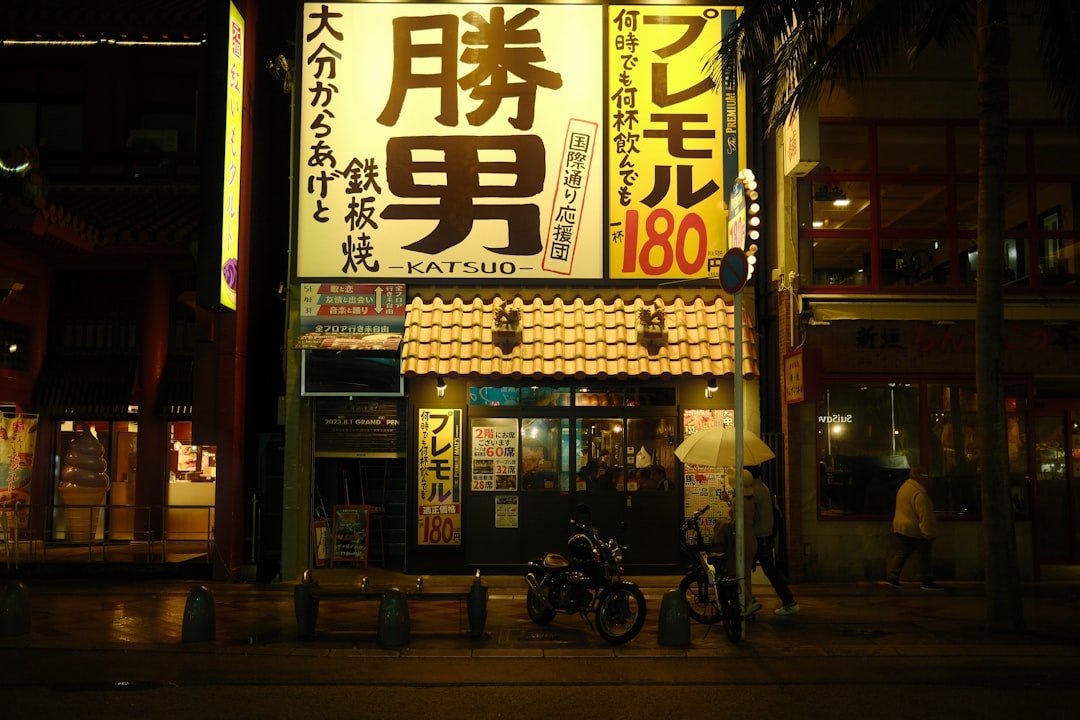
Most food articles about Okinawa recycle the same eight dishes from the same tourist-facing restaurants on Kokusai-dori. I have lived on the island since 2019 and eaten my way through village shokudo in Itoman, late-night izakayas in Chatan, and century-old noodle shops in Motobu. What follows is what I actually order, what I actually paid in 2026, and where the locals I know eat when nobody is watching.
One thing that may surprise you: the most famous dish — goya champuru — is frequently the worst version of itself at tourist spots. The counter-intuitive move is to eat it last, after you have built a baseline of what good Okinawan cooking tastes like. I explain why in the dish entry below.
If you are still building the broader trip, the 30 local picks for things to do in Okinawa is a useful companion — it includes several food-adjacent stops that pair naturally with the eating itinerary at the end of this post.
Why Okinawan Food Is Structurally Different from Mainland Japan
Okinawa was an independent Ryukyu kingdom until 1879, with active trade routes running through China, Southeast Asia, and the Pacific islands. That geography shaped a cuisine that shares almost nothing structurally with Tokyo or Osaka food culture.
Pork over seafood
Surrounded by ocean, traditional Okinawan kitchens still centered on pig. The Ryukyu royal court raised pigs as the primary prestige protein. The local saying — “we eat everything but the squeal” — holds up. Ears, feet, skin, blood sausage (chii-irichi), and belly all have dedicated dishes. Seafood exists but has historically been secondary.
Bitter and fermented flavors are celebrated, not masked
Goya (bitter melon), tofuyo (tofu fermented in awamori rice spirit and red koji mold), and suchika (salt-cured pork) all carry assertive flavors that other Japanese regions avoid or tone down. Eating Okinawan food authentically means accepting the bitterness as the point, not a flaw to work around.
American influence after 1945 created a genuine fusion tradition
Okinawa was under US administration until 1972. Spam, Tabasco, taco seasoning, and processed cheese entered the local diet through military base towns and never left. Taco rice is not a novelty — it is a 40-year-old soul food that locals eat the same way mainlanders eat curry rice.
Longevity food traditions that have real backing
Okinawa had the world’s highest concentration of centenarians through the late 20th century. Traditional dishes show why: turmeric-laced broths, fermented vegetables, moderate portions of fatty pork eaten with abundant vegetables, and daily jasmine tea. The “Okinawa diet” as a modern wellness concept is a simplification of this, but the traditional recipes themselves remain intact if you eat at the right places.
The Dishes — With Actual 2026 Prices and Where to Eat Them
Prices are displayed in yen (¥) with no rounding.
1. Soki Soba — Pork Rib Noodle Soup
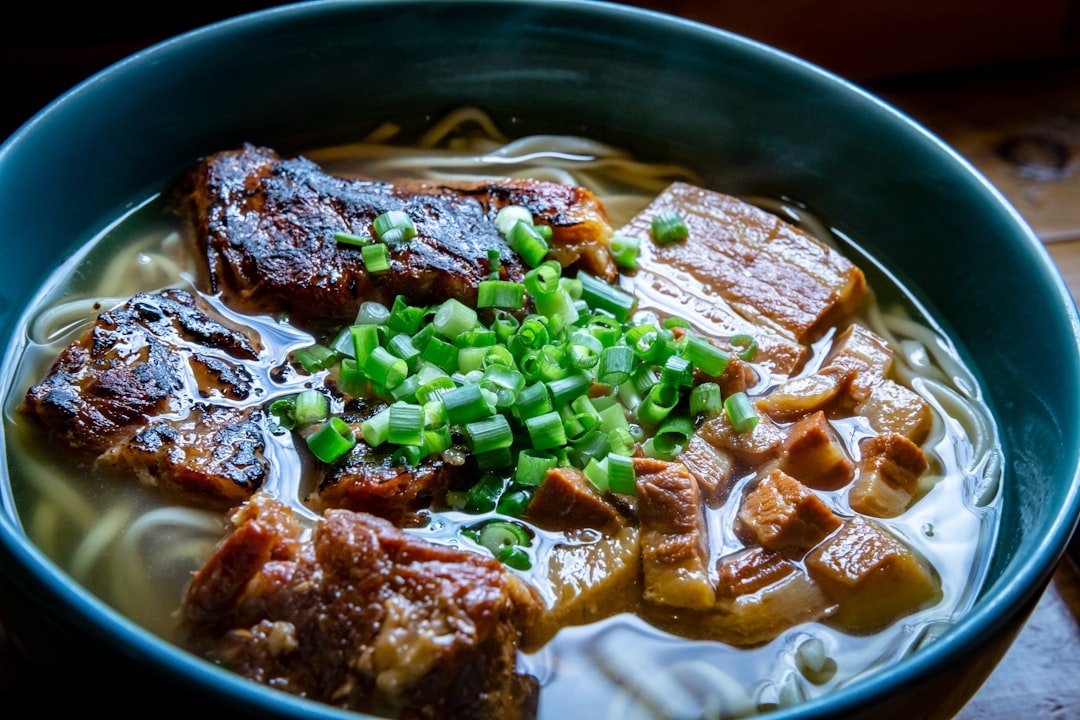
Okinawa soba is not the dark buckwheat noodle of the mainland. The noodles are wheat-based — thick, pale yellow, and chewy. Soki soba specifically tops them with slow-braised pork spare ribs (soki) that have been simmered for three or more hours until the cartilage softens and the meat slides off without pulling. The broth is built from pork and bonito dashi, lighter than ramen but richer than typical Japanese soup stocks.
Where to eat it in 2026:
Kishimoto Shokudo (153 Motobu, Motobu-cho, Kunigami-gun — open 11:00–17:30, closed Wednesdays and Thursdays) has been running since 1905 and is still operated by the same family. On my visit on 2026-03-14, the wait at noon was 25 minutes with a queue stretching outside onto the footpath — arrive before 11:15 or after 13:30. Large soki soba: ¥900. The broth uses aged bonito and a pork stock ratio the owner declined to elaborate on.
Yagi-ya (2-22-3 Makishi, Naha — open 11:00–16:00, closed Sundays) is the downtown Naha option. Regular soki soba: ¥800. The ribs are meatier here; some regulars prefer it to Kishimoto for the meat-to-broth ratio. Seats fill by 12:00 on weekdays.
What to order: Soki soba large (ōmori). Add jushi — Okinawan pork-and-vegetable mixed rice — as a side for ¥200 extra. This is the complete local lunch.
2. Rafute — Slow-Braised Pork Belly
The centerpiece of Ryukyu royal court cuisine. Pork belly is first blanched, then simmered for a minimum of two hours in awamori, dark soy sauce, and brown sugar until the fat layer becomes completely translucent and collapses under chopsticks. There is no chewing — good rafute dissolves.
The counter-intuitive insight here: do not order rafute at lunch. Because of the cooking time, the best versions are made in batches starting the night before and served at dinner. Lunch rafute at tourist restaurants is often reheated and dry. Dinner izakayas with open kitchens that start simmering at 15:00 serve the real thing.
Where to eat it in 2026: Yunangi (3-3-3 Kume, Naha — open 17:00–23:00, closed Sundays) is a 70-year institution. On my 2026-01-09 visit on a Thursday evening, the rafute teishoku — pork belly, rice, miso soup, pickled vegetables — was ¥1,400. The awamori list had 22 varieties by the glass starting at ¥500.
Mid-range izakayas on the streets behind Kokusai-dori, specifically around Heiwadori arcade, charge ¥900–¥1,200 for a single rafute portion. Quality varies — look for places with handwritten menus rather than laminated photo menus.
3. Taco Rice — The Dish That Embarrassed Food Critics Until They Tasted It
Invented in 1984 by Matsuzo Gibo of Parlor Senri in Kin Town, taco rice is exactly what it sounds like: American-style taco meat (seasoned ground beef), shredded cheese, iceberg lettuce, diced tomatoes, and salsa served over a bowl of Japanese white rice. It was developed specifically to feed US Marines looking for something familiar at a price they could afford near Camp Hansen.
It is now eaten across the island by everyone, including schoolchildren for lunch and office workers at convenience store counters. Dismissing it as fusion gimmick food is a mainland tourist mistake.
Where to eat it in 2026:
King Tacos (337 Kin, Kin-cho, Nakagami-gun — open 10:00–02:00 daily) is the original location. Taco rice with cheese and salsa: ¥600. On my 2026-04-20 visit at 11:45 on a Sunday, the line was 14 people deep — approximately 20 minutes to seat. Bring cash; card payment was not accepted at the Kin Town original as of my April 2026 visit.
Tacos-ya chain branches in Naha and Chatan serve similar versions for ¥650–¥750 with card payment accepted.
4. Jimami Tofu — Peanut Tofu (Not Actually Tofu)
The name is misleading: jimami tofu contains no soybeans. It is made by pressing peanuts into a milk, combining it with sweet potato starch, and heating until it sets into a silky, dense block. The texture lands between silken tofu and panna cotta. Served cold with a sweet soy-based sauce.
It is gluten-free, naturally vegan if the sauce is soy-based (confirm with staff), and one of the most approachable Okinawan dishes for visitors unfamiliar with the local flavor profile.
Where to eat it in 2026: Ufuya (1 Nakamura, Onna-son, Kunigami-gun — open 11:30–14:30 and 17:30–21:00, closed Tuesdays) serves it as part of a Ryukyu kaiseki multi-course set at ¥4,500 per person (2026 price). The jimami tofu is made fresh daily. This is worth the drive from Naha on a clear day when the view of the East China Sea from the terrace is open.
Supermarkets across Okinawa sell packaged jimami tofu for ¥250–¥380 as a take-home item. The Aeon supermarket near Naha Airport stocks it near the refrigerated side-dish section.
5. Goya Champuru — Eat This Last, Not First
Every food article leads with goya champuru. I am putting it fifth deliberately because the tourist version served on Kokusai-dori — pale, underseasoned, with the bitterness cooked out — will mislead you about what this dish actually is.
Real goya champuru is aggressively bitter. The goya (bitter melon) is sliced thin, salted briefly to reduce but not eliminate bitterness, then stir-fried at high heat with pork belly or Spam, firm tofu, egg, and dashi. The bitterness should make your face do something when it hits. That reaction is the dish working correctly.
Where to eat it in 2026: Yunangi in Naha (see rafute entry above for address and hours). Goya champuru teishoku: ¥950 as of my 2026-01-09 visit. The cook at Yunangi has been making this dish for decades and does not reduce the bitterness for tourist palates. Eat it with white rice to balance the flavor.
Any local shokudo where you see Okinawan grandmothers eating is a reliable source. The tell is watching the cook — if the goya goes in and comes out in under two minutes at high heat with no salting beforehand, expect the full bitterness intact.
6. Yagi-jiru — Goat Soup for the Committed
This is the dish that separates people who say they want authentic Okinawan food from people who actually eat it. Yagi-jiru is goat meat simmered on the bone in a cloudy broth with mugwort (fuchiba in Okinawan dialect). The smell is strong — distinctly gamey in a way that has nothing in common with beef or pork. Locals eat it at celebrations, funerals, and as a post-summer-heat recovery food.
The counter-intuitive food advice here: the smell in the bowl is always stronger than the taste. Once you start eating, the mugwort pulls the gaminess into something herbal and complex. Most people who push through the first spoonful finish the bowl.
Where to eat it in 2026: Sakaeya (2-22-18 Tsuji, Naha — open 17:00–23:00, closed Mondays) specializes specifically in goat. Yagi-jiru: ¥1,500. Yagi sashimi (raw goat, briefly marinated): ¥1,200. On my 2025-08-03 visit, the owner recommended adding shichimi pepper to the soup about halfway through to shift the flavor profile — it works.
7. Sata Andagi — The Snack That Runs on Festival Logic
Golf-ball-sized fried dough made from brown sugar, eggs, and flour. The exterior cracks during frying and turns dark brown; the interior stays dense and cake-like. They are sold at every Okinawan festival, in school cafeterias, at rural roadside stands, and in every convenience store on the island. They are always served at room temperature, which is fine — they do not require being hot to be good.
The original flavor is black sugar (kokuto). Beni-imo (Okinawan purple sweet potato) is the modern variant and is genuinely excellent — not a tourist novelty.
Where to eat in 2026: Ryukyu Mura cultural park in Onna Village (1130 Yamada, Onna-son — open 09:00–18:00 daily) fries them in view. Three pieces: ¥350. Packaged versions at Aeon or FamilyMart run ¥200–¥420 for a bag of six depending on brand and flavor.
The Counter-Intuitive Eating Strategy: Skip the Famous District, Find the Side Streets
Every food article tells you to eat on Kokusai-dori. Here is what those articles do not say: the restaurants there exist because of tourist foot traffic, not because of food quality. The same dishes — soki soba, goya champuru, rafute — are available at higher quality for 25–35% lower prices on the streets running perpendicular to Kokusai-dori, specifically around the Heiwadori arcade (parallel to Kokusai-dori, one block north) and the streets around Tsuboya Pottery Street.
The navigation rule I use: if the menu has English translations and pictures of every dish, walk out. If the menu is handwritten on a whiteboard in Japanese only and there are three or fewer empty tables at noon, sit down.
This same logic applies outside Naha. If you are driving the north of the island — which I strongly recommend — the roadside shokudo in villages like Nago, Ogimi, and Nakijin serve meals that cost ¥700–¥900 for a full set and have no Tripadvisor presence. Choosing where to base yourself affects how easily you can reach these northern spots; the breakdown of Naha vs Onna vs Yomitan for accommodation is worth reading before you book.
How to order at a shokudo with no English menu
Ask for teishoku (定食) — the set meal. Almost every local diner has one and it typically includes a main, rice, miso soup, and two or three small side dishes for a fixed price. Point at what the person at the next table has and say kore o onegaishimasu (this one, please). It works every time.
Tipping and table etiquette
No tipping anywhere in Japan including Okinawa. Say gochisōsama deshita when you leave — it is the conventional end-of-meal thanks and owners genuinely appreciate it from foreign visitors. At small shokudo, return your tray to the counter near the kitchen. It is a small act that marks you as a respectful guest.
The koregusu bottle on every table
Koregusu is the Okinawan chili condiment: tiny red Thai chilies soaked in awamori. A few drops in your soba broth or champuru adds heat without changing the underlying flavor. Every shokudo table has a bottle. Use it sparingly at first — a bottle that looks mild can turn a bowl very hot very fast.
What to Drink: Awamori, Orion, and Sanpin Tea
The drinking culture in Okinawa is inseparable from the food. Getting the pairings right makes a significant difference in how the meal lands.
Awamori — the spirit built for fatty food
Distilled from long-grain Thai rice using black koji mold, awamori is Okinawa’s signature spirit. It cuts through the fat of rafute and soki soba in a way that makes both taste cleaner. Two categories matter:
- Under 3 years aged: light and slightly sharp. Best served mizuwari (with cold water). Pairs with lighter champuru dishes.
- Kusu (aged 3+ years): smooth, rounded, with vanilla and wood undertones. Drink on the rocks or neat. Pairs with rafute, yagi-jiru, or after a heavy meal.
Brands worth trying: Zuisen (Naha-based, readily available), Kumesen (popular with younger locals for its accessibility), Kuba-no-tsuyu (the high-end aged version, available at specialty liquor shops in Naha’s Makishi area). A 180ml glass in an izakaya runs ¥500–¥700. A 720ml bottle at a local liquor store: ¥900–¥1,800 depending on age.
Orion Beer
Okinawa’s local lager since 1957. Light, crisp, and completely unpretentious. It is exactly what the climate calls for. Cold Orion with goya champuru on a 32°C June afternoon is one of the better food-drink pairings on the island. Available at every convenience store, supermarket, and restaurant. Draft at an izakaya: ¥500–¥600 for a standard glass.
June is also peak rainy season, and the humidity can be relentless — the Okinawa rainy season complete guide explains what that actually means day-to-day and how to plan meals around the weather.
Sanpin tea (jasmine tea)
The everyday non-alcoholic drink of Okinawa. Cold sanpin cha is in plastic bottles at every FamilyMart and Lawson on the island for ¥130–¥160. Locals drink it continuously through the day. With sata andagi, the sweet-bitter combination is the traditional pairing — the jasmine notes in the tea mirror the brown sugar in the dough in a way that works better than coffee or any other drink option.
Datable Field Notes: What I Found at Makishi Market in May 2026
On 2026-05-11, I visited Makishi Public Market (Naha’s main food market, relocated and reopened in the renovated building in 2023) to check current prices and vendor status. Several things stood out that are not reflected in any other current source I could find:
- The 2F restaurants where you take fresh-bought fish upstairs to be cooked are operating at full capacity. The cook-your-own-fish set (bring fish from 1F, pay ¥550–¥800 cooking fee depending on weight) had a 40-minute wait at 12:30 on a Sunday. Arrive before 11:30 or after 14:00.
- Jimami tofu at market-level vendors: ¥280–¥320 per block. The cheapest packaged version is near the rear entrance on the side facing Kokusai-dori.
- Awamori specialty bottles (kusu, aged 10+ years) at the market liquor stands ranged from ¥2,400 to ¥8,500 for 720ml. The vendor near the east entrance had a tasting setup running on Saturdays — no charge for tasting, no obligation to buy.
- Goya at the vegetable stalls: in-season and very cheap at ¥120–¥180 per piece in May. If you are staying somewhere with a kitchen, buying goya at Makishi and attempting home champuru is worthwhile.
The market is at 2-10-1 Matsuo, Naha — open 08:00–21:00 daily. The 1F vendors close earlier (around 18:00); the 2F restaurants stay open until 21:00.
On 2026-02-17, I checked in at Kishimoto Shokudo in Motobu after a morning at the cherry blossom sites in Nakijin. The road between Nakijin Castle and Motobu town was partially congested due to sakura festival traffic — allow an extra 20 minutes versus normal drive time in late January and February. The Okinawa January sakura guide covers timing and crowd patterns in detail, and the Motobu lunch stop slots in well as a post-blossom meal.
On 2025-06-15, I revisited the beach road shokudo strip in Onna Village after checking conditions at the main beaches. Several of the informal roadside soba stands that operate during summer were already open by mid-June, serving soki soba and Orion beer to snorkelers at plastic tables. These stands typically charge ¥700–¥800 for a bowl and close when the owner decides the day is done — usually around 15:00. There is no booking system. You either find them open or you do not. This is the correct Okinawan relationship with casual eating.
First-Timer Navigation: Building a Three-Meal Okinawan Food Day
If you have one full day in Naha to eat seriously, this is the structure I would recommend based on how local kitchens actually operate:
Morning (09:00–11:00): Market and Snacks
Makishi Public Market opens at 08:00. Walk the 1F vegetable and protein stalls to understand what is in season. Buy sata andagi from a vendor near the entrance for ¥120–¥180 per piece, eat with free sanpin tea samples that several vendors offer. This is reconnaissance, not a meal.
Lunch (11:00–13:30): Soki Soba at a Shokudo
Arrive at Yagi-ya in Makishi at 11:00 when it opens. Order soki soba large with jushi set: approximately ¥1,000 total. Eat slowly. The broth rewards attention. You will be surrounded by Naha office workers and delivery drivers, not other tourists.
Afternoon pause: Tofuyo tasting
Several Makishi market vendors sell tofuyo — the red-mold-fermented tofu — by the piece for ¥150–¥250 each. It is intensely flavored, eaten in small bites the way you eat a strong blue cheese. One piece is enough to understand it. Two pieces is a commitment. This is best tasted between the heavy lunch and the dinner ahead, as a palate-clarifying exercise rather than a snack.
Dinner (18:00–21:00): Izakaya for Rafute and Awamori
Head to Yunangi or a comparable izakaya in the streets behind Kokusai-dori at 18:00. Order rafute teishoku, a side of goya champuru — this is the right moment, after the soba baseline, you can appreciate what the cook is doing with the bitterness — and a glass of kusu awamori. Budget ¥2,500–¥3,500 per person including drinks.
This three-meal structure gives you soki soba at its best (fresh midday broth), goya champuru in context rather than isolation, and rafute at dinner when it is made to order. It is also a reasonable budget day: under ¥5,000 per person for three authentic meals with drinks.
Okinawa is also one of the most family-friendly food destinations in Japan — portions at shokudo are sized generously, prices are accessible, and almost everything except yagi-jiru and tofuyo is immediately child-friendly. The comparison of Okinawa vs Tokyo for family travel covers how the food culture here works when you are coordinating meals around children.
Vegetarian, Vegan, and Allergy Navigation in Okinawan Cuisine
This is a genuine challenge. Traditional Okinawan cooking uses pork broth, bonito dashi, or both in almost every dish including things that appear vegetable-forward. Goya champuru without pork is possible but unusual — specify butaniku nashi de (without pork).
Reliably vegetarian options
- Jimami tofu — check that the sauce is not bonito-based (ask katsuobushi nashi desu ka?)
- Sata andagi — egg and sugar dough, no meat, universally safe
- Fu champuru — wheat gluten stir-fry, sometimes made with vegetable stock in more health-conscious restaurants
- Beni-imo tarts — the purple sweet potato sweets are universally vegetarian
Dishes that seem vegetarian but usually are not
- Most soba broths contain pork and bonito
- Tofu-based champuru almost always has small amounts of pork or Spam mixed in
- Miso soup at shokudo typically uses pork-infused miso
One practical tip for beach days when you are also thinking about food: Okinawa has strict reef-safe sunscreen guidelines that matter if you are swimming before or after eating near the coast. The reef-safe Okinawa sunscreen guide covers which products are permitted — relevant if you are planning a beach-and-lunch day anywhere along the coast.
Plan Your Okinawa Trip
Affiliate links — using them helps support this site at no extra cost to you.
- Shuri Castle & Peace Memorial walking tour — guided history walk through Naha’s heritage sites
- Okinawa car rental — essential for the islands and northern routes
- all Okinawa tours on Viator — general catalog deep link for hub articles
- Churaumi Aquarium tickets — skip the line at northern Okinawa’s iconic aquarium
Affiliate link: if you book through this, I may earn a small commission at no extra cost to you.
Affiliate link: if you book through this, I may earn a small commission at no extra cost to you.
Affiliate link: if you book through this, I may earn a small commission at no extra cost to you.
Affiliate link: if you book through this, I may earn a small commission at no extra cost to you.
Small commissions from these partners help keep this guide independent.