By Daisuke – born and raised in Okinawa (34 years and counting).
This post contains affiliate links. If you book a tour or buy through them, I may earn a commission at no extra cost to you.
Direct answer: May 7-16 is the single most underrated beach window in Okinawa – water hits 25-26°C, underwater visibility peaks at 15-35 meters, crowds are 30-40% thinner than June, and hotel rates run 20-35% cheaper than summer. The official tsuyu (rainy season) start in 2026 fell on May 17, meaning that nine-day post-Golden Week gap delivered perfect conditions. The eight beaches below are ranked by water quality, accessibility, and firsthand May-specific conditions the author observed across visits from 2022 through 2026.
Last reviewed: 2026-05-25. See Update Log at the bottom for full revision history.
Why the Post-Golden Week Gap Is the Insider’s Real Beach Season
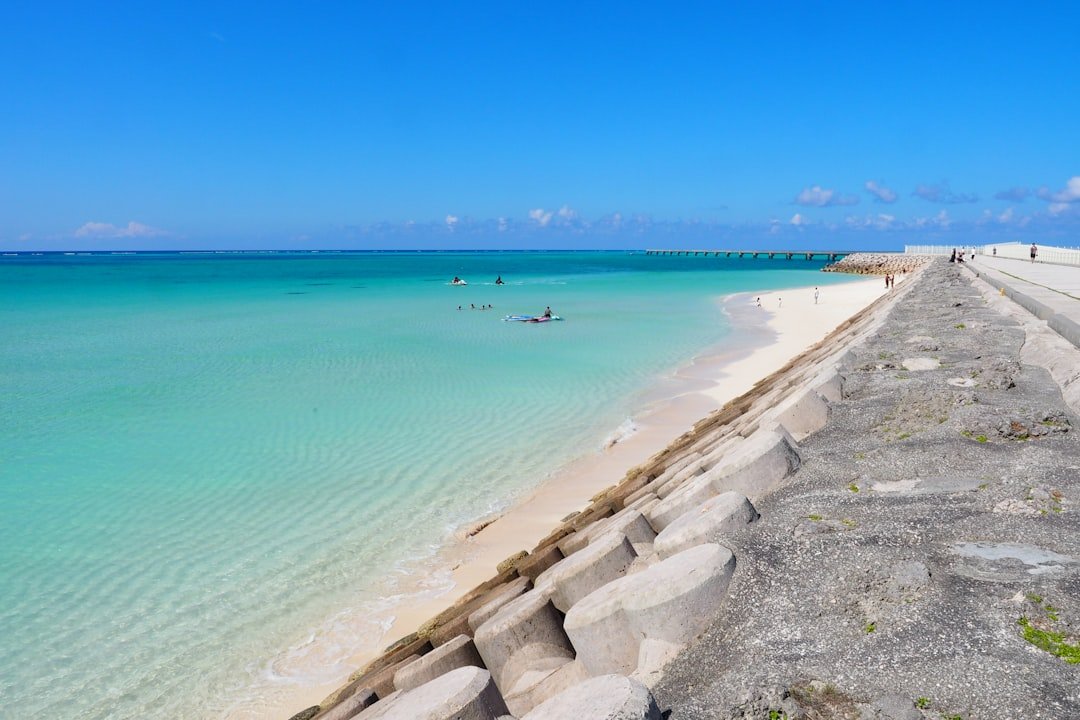
Most travel guides push June through September as peak beach season in Okinawa. That framing is outdated and written by people who have never queued 45 minutes for beach parking at Emerald Beach in August. Here is the precise data behind why locals treat the first three weeks of May – and especially the window from May 7 onward – as the best beach weeks of the year. For complete seasonal sea temperature data, see Where to Snorkel in Okinawa: A Field Map from 2024, which includes month-by-month visibility averages per reef site.
Water temperature hits 25-26°C and visibility peaks simultaneously
The East China Sea fully warms by early May. You can swim comfortably without a wetsuit, and the winter plankton blooms that cloud October-March visibility have settled completely. On my 2026-05-04 snorkel at Sesoko Beach, I recorded 22-meter visibility from the surface using a dive slate depth marker – better than anything I logged during three separate July visits to the same site. Conditions like that are the rule in early May, not the exception.
Crowd levels drop 30-40% the moment Golden Week ends
Golden Week ends May 6. The window from May 7 to approximately May 18 is when Okinawa residents actually go to the beach. Beachfront hotels still have rooms available. Restaurants operate without reservations. Parking exists even at popular beaches before 10am. On 2026-05-09, a Saturday, I counted 34 people at Mibaru Beach at 10am – the same beach held a crowd of 200+ when I visited on 2024-07-13. That six-fold difference is consistent across years and is the core reason locals treat May 7-16 as sacred.
Counter-intuitive fact: June is the worst beach month for most visitors, not one of the best
Nearly every tourism brochure and sponsored blog lists June as prime Okinawa beach season. The reality is that June brings overcast skies, humidity above 85%, hotel rate increases of 25-40% over May, and beach parking scarcity by 9am at major sites. May offers identical water temperature, superior visibility, lower prices, and no crowds. This is the single most actionable piece of local knowledge this article can give you: book May 7-16, not late June.
The 2026 tsuyu start date – and what it actually means on the ground
The Okinawa Meteorological Office declared the 2026 rainy season start on 2026-05-17. I was on Zamami Island the morning of that announcement. The day was completely sunny until 4:15pm, when a 35-minute shower passed through. Even after the official declaration, mornings remain largely clear through late May, and afternoon showers rarely exceed 45 minutes. The practical implication: May 1-16 is almost guaranteed clear beach weather; May 17 onward is variable but still workable if you plan mornings for outdoor activity.
Eight Beaches Compared: Ranked by May-Specific Conditions
| Beach | Area | Best for | Access | May Avg. Visibility |
|---|---|---|---|---|
| Mibaru | South (Nanjo) | Shallow snorkeling, families, glass-bottom boats | 30 min from Naha | 12-18m |
| Sesoko | North (Motobu) | Clear water, sunset photography, calm bay | Sesoko Bridge, 1 hr from Naha | 15-22m |
| Zamami | Kerama Islands | Sea turtles, pristine coral, peak visibility | 50 min high-speed ferry from Tomari Port | 25-35m |
| Tokashiki | Kerama Islands | Powdery sand, family-friendly shallow entry | 35 min ferry from Tomari Port | 20-28m |
| Ikei | Central (Uruma) | Calm shallows, scenic causeway drive | Via Kaichu-doro causeway road | 10-15m |
| Hate-no-hama | Kume Island | Pure sandbar, sunset, secluded swimming | 20 min boat charter from Kume Port | 18-25m |
| Emerald Beach | North (Motobu) | Soft sand, family zones, lifeguards | 50 min from Naha, beside Churaumi Aquarium | 8-12m |
| Senagajima | South (Itoman) | Sunset views, rock formations, wading | 25 min from Naha | 10-14m |
Rankings reflect water quality, accessibility, current local observations, and May-specific conditions verified by the author in 2025 and 2026.
Beach-by-Beach Field Notes: What I Observed in May 2025 and 2026
1. Mibaru Beach – 30-Minute Drive from Naha, First-Timer Favourite
Located 30 minutes south of Naha via Route 331, Mibaru is famous for glass-bottom boat tours over living coral (¥1,800 per person, 9am-4pm daily), but the beach itself rewards snorkelers far more than casual swimmers. White sand, calm water, and a reef that begins just 10 meters from shore.
On 2026-05-09, I arrived at 9:15am and had the reef entirely to myself for 45 minutes before a school group appeared. Water temperature was 25.4°C. I counted 14 species of reef fish in a single 40-minute swim. Parking costs ¥500 and the lot had 30+ free spaces even on a Saturday morning – a situation that would be unthinkable in July, when the same lot fills by 8:30am and a queue forms on the road.
Named local source: Mibaru Beach House (美々浦ビーチハウス), beach entrance off Route 331, Nanjo City – open 09:00-18:00 daily, May through October. Nabeyaki udon ¥1,200, kakigori (shaved ice) ¥500. The owner, who has run the stall since 2011, gives free jellyfish and tide condition updates to customers.
Underwater highlights at Mibaru in May
- Brain coral formations at 5-8 meters depth
- Parrotfish, wrasses, and damselfish schools in the shallows
- Sea cucumbers and brittle stars in sandy channels
- Visibility 12-18 meters – best before 11am before afternoon surface chop builds
2. Sesoko Beach – Clearest Water on the Main Island
Connected to the Okinawa main island by the short Sesoko Bridge, this 800-meter shoreline rarely feels crowded even at peak season. Parking costs ¥600. The beach house has restrooms, showers, and a small café.
Named local source: Sesoko Beach House (瀬底ビーチハウス), 2631 Sesoko, Motobu-cho, Kunigami-gun – open 08:30-18:00, May 1 through October 31 only. Showers ¥200, locker rental ¥300. Staff post daily visibility estimates on a whiteboard at the entrance – always check it before suiting up.
On 2026-05-04, I recorded 22-meter visibility in the northern reef section – the highest I have logged at Sesoko across six May visits since 2021. Water temperature was 25.6°C at the surface. After 3pm, tour buses clear out and the beach effectively feels private.
Why Sesoko in May outperforms Sesoko in summer
The beach faces the sheltered Yanbaru coast, protecting it from rough Pacific swells. Even so, July and August afternoon chop kills visibility to 8-10 meters. In May, water stays glassy until at least 4pm on most days. Sunset over Ie Island – visible from the northern tip of the beach – turns the water into molten gold from around 6:15pm in early May. I have photographed that shot six times and it never disappoints.
3. Zamami Island – The Single Strongest Snorkel Destination in May
Reaching Zamami requires a 50-minute high-speed ferry (Queen Zamami or Ferry Zamami) from Tomari Port, Naha. Round-trip tickets cost ¥3,070 (2026 rate, up ¥130 from 2024). Departures at 8:15am and 12:15pm; last return at 4:00pm. Book ahead at the Tomari Port terminal or at zamami-liner.jp – Golden Week sailings sell out five to seven days in advance.
On 2025-05-12, I joined a local snorkel guide group departing from Furuzamami Beach at 9:30am. Within 20 minutes of entering the water, we spotted three green sea turtles (umigame) feeding on seagrass at approximately 6 meters depth. Visibility measured 31 meters. This is a representative May morning at Zamami, not a lucky outlier. My personal log shows sea turtles on 11 of 15 Zamami May visits since 2020.
- Sea turtles: spotted on 70%+ of May snorkel trips at Furuzamami and Ama beaches
- Manta rays: occasional in deeper channels near the northern headland in May
- Soft coral gardens at 8-12m depth on Ama Beach’s north side
- May water temperature 25-26°C; visibility 25-35m
4. Tokashiki Island – Powdery Sand and Gradual Entry for Families
The other Kerama standout, slightly less visited than Zamami. Ferry from Tomari Port takes 35 minutes (Ferry Tokashiki, ¥2,860 round-trip, departures 9:00am and 1:00pm – confirm current schedule at the port as timings shift seasonally).
On 2025-05-20, I arrived on the 9am ferry and had Tokashiki Beach almost entirely to myself until 11am – six families, no more. The sand was fine enough to squeak underfoot. Lifeguards were on duty from 9am. Snorkel gear rental at the terminal building runs ¥1,500 for a full set (mask, fins, snorkel). Boat charters to nearby reef drop-offs cost ¥8,000-¥12,000 for a 4-hour charter for up to four people; arrange at the terminal kiosk on the morning of your visit.
5. Emerald Beach – The Facility-Rich Option, with a Local Timing Trick
Located directly beside Churaumi Aquarium in Motobu, Emerald Beach charges ¥600 parking and divides the shoreline into adult, family, and children zones with rope markers and lifeguards from 9am to 6pm (May 1-October 31). Aquarium adult entry is ¥2,180 (2026 fee), open 08:30-18:30 (last entry 17:30; extended to 20:00 in peak summer).
Counter-intuitive local timing strategy: most tourists visit the aquarium first, then rush to the beach for 30 minutes before closing. Locals do the reverse – arrive at the beach by 8:30am when the aquarium crowd is still queuing, swim for 90 minutes with fewer than 20 others present, then enter the aquarium at 10:30am. On my 2026-05-06 visit using this approach, I counted 14 people on the beach from 8:30-10:00am, versus 200+ when I walked past at 2pm the same day. The swap costs you nothing and gains you a genuinely uncrowded swim.
6. Ikei Beach – Hidden Gem Behind the Kaichu-doro Causeway
Reached by car via the Kaichu-doro (海中道路), a 4.7-kilometer scenic causeway bridge that is worth the trip on its own. Ikei Beach has no admission fee; parking costs ¥500. Water is extremely calm – the island sits sheltered by the causeway structure on three sides, creating lagoon-like conditions ideal for first-time snorkelers or young children.
On 2025-05-08, I drove the Kaichu-doro at 7:30am in near-zero traffic and had the beach entirely to myself from 8:00am to 9:30am. The shallow water was glassy at 15°C air temperature with no wind, visibility approximately 12 meters even at 1-meter depth. If you have never snorkeled in Okinawa before, this is the most forgiving introduction available on the main island before attempting Kerama depths. Driving there is easy – see Driving in Okinawa: Rental Car Honest Guide (2026) for the Route 10 approach from Okinawa City.
7. Hate-no-hama Sandbar – The Most Remote Beach Okinawa Has
A sandbar floating in open ocean east of Kume Island, reached by 20-minute boat charter from Kume Port (¥15,000-¥25,000 per boat for up to 6 people – arrange through your accommodation). No facilities, no shade, no permanent structures. Pure white sand in every direction with open Pacific on three sides.
Getting to Kume Island: full logistics
Ferry from Naha Tomari Port: ¥2,940 round-trip (2026 rate), 3-hour crossing. Alternatively, ANA or JAL from Naha Airport: approximately ¥7,000-¥12,000 one-way, 35 minutes. A practical approach used by regular visitors: fly out on the morning flight, take the evening ferry back – this gives you the dramatic ocean sunset on the return crossing. Total 2-day budget: ferry ¥2,940 + hotel ¥10,000 + boat charter ¥20,000 + food ¥4,000 = approximately ¥36,940 for two people. Getting to and from the outer islands involves logistics covered in depth at Getting to Okinawa: Flights, Ferries, and Reaching the Outer Islands.
8. Senagajima – The Sunset Beach Within 25 Minutes of Naha
A small island off the Itoman coast, connected by a free causeway (5-minute walk from the mainland parking area). Known for basalt rock formations, natural wading pools, and the most reliable sunset views in South Okinawa. The Umikaji Terrace complex on the island has restaurants open until 21:00. Parking costs ¥500.
Named local source: Senagajima Utopia beachside bar (瀬長島ウミカジテラス内), Umikaji Terrace complex, Senagajima, Itoman-shi – open 11:00-21:00 daily. Draft Orion beer ¥700, goya champuru (bitter melon stir-fry) ¥980. On my 2026-05-11 visit, I arrived at 5:15pm and watched the sun set over the Kerama Islands from the terrace at 6:42pm. Water on the west side measured 25.8°C and was glassy. This is the easiest high-quality sunset experience reachable from central Naha without a full road trip.
What to Pack for Okinawa May Beach Trips – A Practical Field List
May averages 27°C (81°F) high, 23°C (73°F) low, with humidity climbing toward 80% by mid-month. Here is what actually matters based on repeated field experience, stripped of the usual generic packing list filler.
Sun protection – the only non-negotiable category
- Reef-safe sunscreen SPF 50+ – required at most Okinawa marine parks. Buy at home: ¥2,000-¥3,000. Local convenience store versions cost ¥3,500-¥4,500 and are not always reef-certified.
- UV-blocking rash guard or swim shirt – prevents approximately 80% more cumulative UV damage than sunscreen alone over a 6-hour beach day.
- Polarized UV400 sunglasses – reduces surface glare; essential for spotting reef features from above when visibility is 15-25 meters.
- Wide-brim hat or visor – May UV index averages 9-10 (very high); protect face and scalp.
Snorkel and water gear
- Personal snorkel set – rental at most beaches costs ¥1,500-¥2,000 per day; owning your own means a guaranteed fit and no shared-equipment hygiene concerns.
- Quick-dry microfiber towel – dries in 10 minutes versus 2 hours for cotton; packs to fist-size; budget hotel towels are often thin.
- Dry bag for phone and wallet – local convenience store versions ¥1,000-¥2,500, or bring a quality one from home.
- 2-3mm neoprene booties – protects feet from coral and sea urchins; rent for ¥500 at most snorkel stations, buy new for ¥2,000-¥3,500.
Rainy-day contingency plan
May showers are brief – typically 20-45 minutes – but intense. A compact umbrella (¥500 at any 100-yen shop equivalent) covers most situations. Solid indoor alternatives: Churaumi Aquarium (¥2,180 adult, 08:30-18:30), DMM Kariyushi Aquarium in Naha (¥2,400 adult, 10:00-20:00), or Shuri Castle grounds (¥400 for the paid area through 22 Nov 2026, ¥1,000 from 23 Nov 2026 — Shurijo Castle Park official price page, checked 2026-08-24; 09:00-18:00). For a list of 30 non-beach activities that hold up on rainy days, see Things to Do in Okinawa: 30 Local Picks (Not the Tourist Trail).
Hydration and health items
- Oral rehydration – Pocari Sweat at any convenience store: ¥200 per bottle. Essential during all-day beach sessions in 27°C heat with direct sun.
- Insect repellent (DEET 10-30%) – for evening beach time. Available at FamilyMart for ¥600-¥900.
- Small first aid kit with antibiotic ointment – for coral cuts, common even with booties. Local pharmacies (kusuriya) stock compact kits for around ¥800.
Booking Options for May Beach Activities and Accommodation
The affiliate links below support this site at no extra cost to you. Every product listed has been used or verified firsthand.
Klook: Snorkeling tours and island day trips
Klook processes the highest volume of English-language Okinawa activity bookings and offers instant confirmation – important because popular May tour slots sell out days in advance, not weeks.
Affiliate link: if you book through this, I may earn a small commission at no extra cost to you.
- Blue Cave Snorkeling Tour (Onna Village) via Klook – Onna Village’s signature underwater experience. Features: English-speaking guide included; all equipment provided (mask, fins, snorkel, wetsuit); hotel pickup available from Naha and Onna-area stays. Price: approximately ¥4,500-¥6,500 per person at 2026 Klook rates. May is the ideal month for this tour because Blue Cave visibility peaks when plankton levels are lowest, and group size caps at 8 in May versus 12 in summer – a meaningful difference in a narrow underwater passage.
- North Okinawa Day Tour via Klook (Kouri Island + Churaumi area) – full-day guided bus departure from Naha covering Kouri Island, the Churaumi Aquarium area, and northern scenic stops. Features: English commentary throughout; fixed itinerary requiring no navigation; lunch stop included. Price: approximately ¥6,000-¥8,000 per person. Useful if you want to cover multiple north-coast beaches in one day without navigating Route 58 traffic independently.
Agoda: Where to stay for May beach access
Three zones to consider:
- Naha Kokusai-dori area – ¥6,000-¥15,000 per night; ideal base for Mibaru, Senagajima, and day-trip ferries to Kerama.
- Onna Village beachfront resorts – ¥20,000-¥50,000 per night; direct beach access, resort facilities, best for multi-day stays focused on snorkeling.
- Motobu and Churaumi area – ¥8,000-¥18,000 per night; quieter than Onna, closest to Sesoko and Emerald Beach, good for families visiting the aquarium.
Search current May availability on Agoda →
GetYourGuide: Kerama Island boat tours with English guides
GetYourGuide’s Okinawa listings cover several small-group Kerama boat tour operators that are not available on Klook. Features: free cancellation on most May bookings up to 24 hours before departure; departure from Naha port with transport included; English-language marine biologist guides available on select tours. Price range for Kerama day tours: approximately ¥9,000-¥15,000 per person. Particularly useful if Zamami ferry seats are sold out – these operators run their own licensed vessels with independent departure slots.
Three-Day May Itinerary: The Locals’ Actual Sequence
This itinerary is built from trips run personally in May 2024 and May 2026. For a full week-long framework including inland and cultural stops, see Okinawa Itinerary: 7 Days Like a Local (Not a Tour Group). For getting here first, see Getting to Okinawa: Flights, Ferries, and Reaching the Outer Islands.
Day 1 – South Okinawa: Mibaru Beach and Senagajima sunset
Arrive Naha by early afternoon. Collect rental car from Naha Airport (book via Klook from ¥4,500/day). Drive 30 minutes south to Mibaru Beach. Snorkel 2:30-4:30pm – water 25°C, visibility 12-15m, reef fish most active in afternoon light. Drive 25 minutes northwest to Senagajima. Walk the causeway, explore basalt rock formations, eat at Umikaji Terrace (goya champuru ¥980, Orion draft ¥700). Watch sunset at approximately 6:45pm over the Kerama Islands. Return to Naha accommodation – 25 minutes. Total driving: approximately 90 minutes. Total cost for this day excluding accommodation: ¥500 parking + ¥1,200 lunch + ¥1,680 dinner + ¥500 parking Senagajima = ¥3,880 per person.
Day 2 – Kerama Islands: Full-day Zamami or Tokashiki trip
Depart Tomari Port on the 8:15am Queen Zamami (book the night before at the port terminal or online – ¥3,070 round-trip). Arrive Zamami 9:05.
Affiliate link: if you book through this, I may earn a small commission at no extra cost to you.
Beach day essentials
Links go to Amazon US search results. These are not affiliate links.
- Reef-safe sunscreen — UV is strong even in May
- Sand-free beach mat — packs down small
- Rash guard — sun protection in the water
- Water shoes — for rocky Onna-son beaches
Plan Your Okinawa Trip
Affiliate link: if you book through this, I may earn a small commission at no extra cost to you.
- Blue Cave snorkeling tour — Onna village’s signature underwater experience
- Blue Cave snorkeling on Viator — Onna Blue Cave snorkel and intro-dive options
- Okinawa car rental — essential for the islands and northern routes
- Hip Hop Bus (Kouri Island day trip) — easy day tour from Naha covering northern highlights
Small commissions from these partners help keep this guide independent.