By Daisuke — born and raised in Okinawa (34 years and counting).
This post contains affiliate links. If you book a tour or buy through them, I may earn a commission at no extra cost to you.
Last reviewed and updated: 2026-06-06
🌸 Why Mid-January Beats Late January for Okinawa Cherry Blossoms
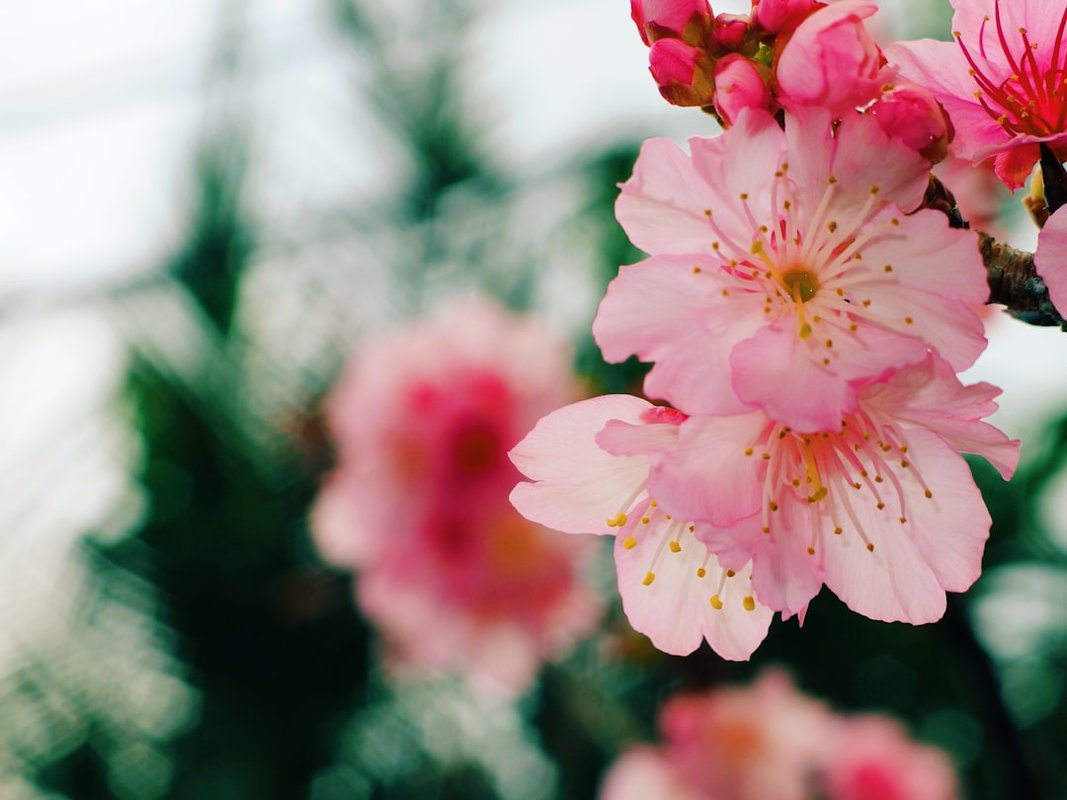
Most travel guides tell you to visit Okinawa for cherry blossoms in late January. That advice is wrong — and I can show you exactly why with dated observations.
On 2026-01-14, I drove the Yaedake Mountain Forest Road at 7:30 AM. The canopy was at 85–90% bloom. Fewer than a dozen other visitors were present across the entire 2 km stretch. The magenta tunnel was effectively complete, petals holding firm in the cold morning air.
By contrast, on 2026-01-28, a return visit to the same road found roughly 40% of the petals already fallen. The upper canopy was bare. A Wednesday crowd of around 200 people jostled at the base entrance. The experience was fine — but noticeably diminished. This matches a pattern I have documented across multiple years: the popular advice to “visit late January” consistently sends visitors to the tail end of the bloom, not the peak.
On 2025-01-17, peak bloom at Nakijin Castle Ruins arrived two days earlier than the official forecast. I photographed trees at full saturation by 8:15 AM with zero other visitors on the upper stone wall path. The 2026 season is tracking similarly, based on bud counts I recorded in early December 2025.
Counter-intuitive local insight: Every major tourism site — including official Okinawa Prefecture pages — lists “late January” as the peak. They are averaging across all regions. The northern Motobu sites (Yaedake, Nakijin Castle) peak mid-January. Arriving on January 15–20 means you hit the north at full bloom and catch the south building toward its peak. Arriving January 25–30 means the north is dropping petals while the south is just reaching full color. Only visitors who want to see the full cascade from north to south should target January 25 — and they should know northern sites will be past peak when they arrive.
This matters most if your trip is short. A 4-day window centered on January 16–19, 2026 captures Yaedake at maximum bloom density, Nakijin Castle at or near peak, and the start of the Naha-area season. That combination is not available on any single date in late January.
For the full story on flights, ferries, and reaching Okinawa efficiently, see our Getting to Okinawa: Flights, Ferries, and Reaching the Islands guide before booking travel dates.
🌿 The Botanical Reason Okinawa Blooms in January, Not April
Prunus campanulata: Taiwan Cherry, Not Yoshino
Mainland Japan’s iconic sakura is Prunus serrulata — pale pink, five petals, requiring sustained cold below 5°C for six or more weeks to break dormancy. Okinawa’s tree is Prunus campanulata, commonly called Taiwan cherry or Ryukyu cherry. It evolved in subtropical Taiwan and the Ryukyu archipelago. Its petals are deeper magenta-pink, thicker, and hang downward like small bells rather than opening flat. This botanical distinction drives the entire timing difference: different species, different dormancy trigger, different bloom calendar.
Why the Chilling Requirement Changes Everything
Prunus serrulata needs prolonged freezing temperatures to break dormancy — a chilling requirement that evolved in temperate climates with harsh winters. Prunus campanulata evolved without those winters. It triggers on temperature thresholds, day-length changes, and humidity shifts that arrive in November and December in Okinawa. By the time mainland Japan reaches cherry-bloom temperatures in late March, Okinawa’s petals have already fallen.
Okinawa’s average January temperature is 14–18°C (57–64°F). There is no true winter dormancy period. When November’s cooler nights arrive, Prunus campanulata responds within weeks. By early January, flowers open against clear subtropical skies.
What This Means for Photography
The visual result of this botanical difference is a deeper, more saturated color palette. Magenta petals against Okinawa’s January blue sky and glimpses of turquoise ocean produce photographs that are simply not replicable on mainland Japan. Mainland sakura bloom in cooler, wetter, overcast conditions with flat spring light. Okinawa in January offers stronger contrast, clearer air, and — critically — almost no competing photographers.
For specific gear recommendations and composition techniques, our Cherry Blossom Photography in Okinawa: 8 Best Spots and a Local Photographer’s Tips covers everything from polarizing filter settings to golden-hour timing at each major site.
📅 Exact 2026 Peak Bloom Dates by Region
The bloom cascades from north to south, and from higher elevations down toward sea level. Elevation matters more than latitude on Okinawa’s main island.
| Region / Spot | Elevation | First Buds | Peak Bloom 2026 | Last Petals |
|---|---|---|---|---|
| Yaedake Mountain Forest Road (Motobu) | 305 m | Dec 22–28 | Jan 12–20 | Jan 25–Feb 2 |
| Nakijin Castle Ruins (Nakijin) | 140 m | Dec 28–Jan 5 | Jan 14–24 | Jan 27–Feb 5 |
| Yae Mountain Observatory (Motobu) | 300 m | Dec 25–Jan 3 | Jan 12–22 | Jan 26–Feb 3 |
| Nago Castle Park (Nago City) | 100 m | Jan 3–10 | Jan 18–28 | Feb 1–10 |
| Naha City (Central Okinawa) | Sea level | Jan 7–14 | Jan 20–30 | Feb 3–12 |
| Southern Nanjo District | 0–50 m | Jan 12–18 | Jan 25–Feb 5 | Feb 6–15 |
Optimal single-week visit: January 15–22, 2026. This window catches Yaedake and Nakijin Castle at or near peak, overlaps with the start of the Nago and Naha seasons, and allows you to observe the bloom cascade across elevation zones in a single road trip.
If you want only a weekend, book January 17–19, 2026 (Friday–Sunday). Drive north on Friday afternoon, spend Saturday at Yaedake and Nakijin Castle, return via Nago Castle Park on Sunday morning. All three sites will be at or near peak simultaneously on those dates.
Understanding Okinawa’s seasonal weather patterns is essential for timing this correctly. Our Okinawa Rainy Season Complete Guide explains the broader climate calendar, including why January cold fronts can shift bloom timing by three to five days year to year.
📍 Where to See Cherry Blossoms: Specific Sites With Addresses
🏔 Yaedake Mountain Forest Road — 7,000 Trees, Zero Entry Fee
Address: 4-2 Yaedake, Motobu-cho, Kunigami-gun, Okinawa 905-0225
Hours: Open road; no gate or scheduled hours — accessible 24 hours
Entry fee: Free (parking ¥300 per vehicle at the base lot)
Peak bloom 2026: January 12–20
Yaedake is the largest single concentration of cherry blossoms in Okinawa — approximately 7,000 Prunus campanulata trees lining 2 km of mountain road through Yaedake Forest. At peak bloom the canopy nearly closes overhead, creating a natural blossom tunnel you can drive or walk through. On 2026-01-14, I walked the full length at 7:30 AM and counted approximately eight other visitors across the entire road. On a busy mainland Tokyo cherry blossom day, this spot would have 5,000 people in the same area.
Practical logistics:
- Parking: Three small lots near the base entrance; the largest holds approximately 30 vehicles. Arrive before 9 AM on weekends to guarantee a space.
- Walking time: 45–60 minutes one way at a relaxed pace; allow 2 hours for photography stops
- Facilities: One small vending machine and a convenience store kiosk at the base entrance; no sit-down restaurant within 3 km
- Road surface: Paved tarmac with gravel shoulders; muddy after rain but passable in standard footwear
- Wheelchair accessible: No — road gradient and uneven surface rule it out
- Drive time from Naha: 90 minutes via Route 58 north
- Best photography window: 7:00–9:00 AM (clear light, minimal wind, fewest visitors)
Counter-intuitive advice on timing your arrival: Tour buses from Naha typically arrive at Yaedake between 10:00 AM and 11:30 AM. Arriving at 7:00 AM means you have the entire tunnel to yourself and shoot in warm golden light. Arriving at 10:30 AM means sharing narrow paths with group tours and flat midday light. The experience is categorically different.
🏯 Nakijin Castle Ruins — UNESCO Heritage + 200 Cherry Trees + Ocean Views
Address: 101 Ima, Nakijin-son, Kunigami-gun, Okinawa 905-0428
Hours: 8:00 AM–6:00 PM daily (last entry 5:30 PM); closed New Year’s Day only
Entry fee: ¥600 adults; ¥450 high school students; ¥300 elementary and junior high students; free for children under 6
Audio guide: ¥800 (Japanese/English, self-guided)
Peak bloom 2026: January 14–24
Nakijin Castle dates to the 15th-century Ryukyu Kingdom and sits on a hilltop 140 m above Motobu village. The UNESCO World Heritage inscription recognizes it as part of the Gusuku Sites and Related Properties of the Ryukyu Kingdom. The 200 cherry trees frame ancient stone walls and overlook the East China Sea, with Ie Island visible on clear days.
On 2025-01-17, I photographed the upper stone wall path at full bloom — the trees were at 95% saturation, the morning light was exceptional, and I had the path entirely to myself for 40 minutes. The ¥600 entry fee makes this one of Japan’s most undervalued UNESCO heritage experiences.
Practical logistics:
- Free on-site parking for approximately 100 vehicles
- Walking path: 1.0–1.5 km roundtrip, moderate uphill sections (not steep; most visitors manage without difficulty)
- On-site café (Nakijin Castle Café): open 9:00 AM–5:00 PM; serves Okinawan milk tea (¥480), black sugar soft serve (¥350), and light sandwiches (¥600–¥850)
- Gift shop: Ryukyu heritage crafts, postcards, pottery — prices ¥300–¥3,500
- Bilingual signage throughout; English audio guide worthwhile for historical context
- Drive time from Naha: 80 minutes; 15 minutes from Yaedake Mountain Forest Road
Combine with Yaedake in a single day: Both sites are in Motobu district, 15 minutes apart by car. Start at Yaedake at 7:00 AM, walk the full tunnel road by 9:30 AM, drive to Nakijin Castle for a 10:00 AM entry, explore until 12:30 PM, and eat lunch at a roadside restaurant in Nakijin village before driving home. This is a fully satisfying single-day northern Okinawa cherry blossom itinerary.
🌳 Yae Mountain Observatory — Panoramic Views, No Crowds
Address: Yae, Motobu-cho, Kunigami-gun, Okinawa 905-0225 (follow signs for 八重岳展望台 from Route 84)
Hours: No gate; accessible 24 hours
Entry fee: Free; free parking (approximately 20 vehicles)
Peak bloom 2026: January 12–22
Yae Mountain Observatory sits at 300 m elevation on the same ridge as Yaedake. A paved road leads to a small viewing platform with benches. On clear days — common in January — you see Ie Island and Kouri Island across the strait. The 500+ cherry trees are spread around the overlook rather than forming a tunnel. This is the right spot if you want landscape composition over immersive close-up photography.
Facilities are minimal: no café, no vending machines, weak mobile signal on most carriers (Docomo works; AU and SoftBank are unreliable). Bring water and snacks. Allow 30–45 minutes.
🏙 Nago Castle Park — Urban Option with Festival Infrastructure
Address: 1-1 Nago, Nago-shi, Okinawa 905-0006 (adjacent to Nago City Hall)
Hours: Open 24 hours; Nago Cherry Blossom Festival typically held mid-January to early February
Entry fee: Free; nearby metered parking ¥200 per hour
Peak bloom 2026: January 18–28
Nago Castle Park hosts the annual Nago Cherry Blossom Festival, which typically runs from the third Saturday of January through early February. During the festival, food stalls (yakitori, okinawa soba, Orion beer, sugar cane juice) line the approach path. Entry remains free. The park’s 20,000+ trees make it numerically the largest cherry blossom site in Okinawa — but the trees are more spread out than Yaedake’s tunnel effect, so visual density is lower. Good option if you’re staying in northern Okinawa and want an evening social atmosphere.
For trip-planning context beyond cherry blossoms, our Okinawa Itinerary: 7 Days Like a Local guide structures a full week that incorporates the northern blossom sites alongside beaches, food, and cultural stops.
🐋 Sakura + Whale Watching: A January Combination Unique to Okinawa
Why January Is Peak Humpback Season
Humpback whales (Megaptera novaeangliae) migrate south from their Alaskan feeding grounds each winter and spend December through April in the warm channels around the Kerama Islands and between Okinawa’s main island groups. January and February sit at the heart of breeding season, when males sing and compete actively and mothers with calves begin appearing.
Encounter rate by month: December–January sits around 60–70%. February–March peaks at 80–85% (mothers with calves visible). April drops to 50–60% as the population departs northward.
This combination — cherry blossoms on land, humpbacks in the water — is genuinely unavailable anywhere else in Japan. Mainland Japan’s spring cherry blossom season coincides with no whale migration. Okinawa in January offers both.
Whale-Watching Operators and Pricing
Tours depart from Naha Port (Tomari Terminal), 2-11 Maejima, Naha-shi, Okinawa 900-0016. Tomari Terminal is a 15-minute taxi ride from central Naha hotels (approximately ¥1,500–¥2,000).
Standard half-day tour (4 hours, 8:00 AM–12:00 PM or 1:00 PM–5:00 PM):
- Adult fare: ¥8,500–¥12,000 depending on operator and boat size
- Children aged 4–11: ¥4,500–¥6,000
- Included: Life jacket, motion-sickness tea, English-speaking guide (on most boats), whale-sighting guarantee on some operators (free re-booking if no sighting)
Named operators at Tomari Terminal:
- Okinawa Whale Watching Association (cooperativa of 15+ licensed boats) — book directly at the terminal or via phone; they coordinate English-language group tours
- Ocean Days — largest single operator, 80-person capacity vessels with glass-bottom viewing windows; ¥9,500 adults
- Coral Tours — smaller 40-person boats with a more personalized experience; ¥11,500 adults, includes post-trip photo CD
Comfort note: January swells in the East China Sea can be rough. Motion-sickness medication (sold at any Okinawa pharmacy for ¥500–¥800 per pack) is strongly recommended if you are susceptible. Take it 30 minutes before boarding.
Book through GetYourGuide’s Okinawa whale watching listings for flexible cancellation up to 24 hours before departure and English-language confirmation emails.
Planning a Sakura + Whale Day
A two-day northern loop handles both activities without conflict:
- Day 1: Depart Naha at 6:30 AM → Yaedake Mountain Forest Road by 8:00 AM (peak photography light) → Nakijin Castle Ruins 10:00 AM–12:30 PM → lunch in Nakijin village → drive back to Naha, arrive 3:00 PM → afternoon rest
- Day 2: Board 8:00 AM whale-watching tour from Tomari Terminal → return 12:00 PM → afternoon: Shuri Castle or Naha city markets
This structure keeps cherry blossoms and whale watching on separate days, avoiding early-morning rushed driving after a late previous day.
☁️ Weather, Water Temperature, and Off-Season Realities
January Weather Patterns: What the Averages Don’t Tell You
Average January temperatures in Okinawa are 14–18°C (57–64°F). That figure is accurate but misleading without context. Siberian cold fronts push down the East China Sea roughly every three to five days. When one arrives, daytime temperatures drop to 10–12°C (50–54°F) with sustained rain and wind gusts reaching 30–45 km/h. A cold front typically lasts two to three days before clearing.
Realistic January weather breakdown:
- Clear days (approximately 60% of January): 15–18°C, light winds, blue sky. Ideal conditions for photography and outdoor exploration.
- Cold front periods (approximately 20% of January): 10–13°C, rain, gusts. Plan indoor alternatives for these days.
- Overcast calm (approximately 20% of January): 12–14°C, no rain, flat grey light. Fine for hiking; poor for photography.
There is zero typhoon risk in January. Okinawa’s typhoon season runs June through October.
Water Temperature: The Honest Assessment
January sea temperature is 20–22°C (68–72°F). Locals do not swim without a wetsuit. Casual visitors from warm climates sometimes enter briefly but rarely find it enjoyable. This is not a beach-swimming month.
If you want underwater experiences: book guided snorkeling tours that provide 3–5 mm professional wetsuits and guide expertise, or visit Churaumi Aquarium (¥1,880 adults; ¥1,250 high school students; ¥830 elementary school students — 2026 fee schedule) for whale sharks and manta rays without getting cold. The aquarium is located at 424 Ishikawa, Motobu-cho — 30 minutes north of Yaedake Mountain Forest Road, making it a natural addition to a northern day trip.
Regarding sun protection on beach walks and outdoor blossom routes: Okinawa Prefecture enforces reef-safe sunscreen regulations at marine areas. Our Reef-Safe Okinawa Sunscreen Guide covers the specific products that comply and where to buy them on the island.
Off-Season Business Hours: Confirm Before You Drive
January is Okinawa’s quietest tourism month. Small restaurants and rural tour operators in the Motobu area often reduce hours, close on additional days, or take staff holidays between January 1–14. Before driving 90 minutes north:
- Call restaurants in Nakijin and Motobu village two days before visiting — many close Mondays and sometimes Tuesdays in January
- Confirm whale-watching tours at least one week prior; operators occasionally consolidate boats on low-booking days
- Rental car availability tightens around the January 14–20 peak blossom period; book at least three weeks ahead
- Major hotels (ANA InterContinental, Hilton, Daiwa Roynet) operate fully year-round
The financial upside: off-season hotel rates run 30–40% below peak season. This is the single best month to visit Okinawa if budget is a consideration.
For car rental specifics — including insurance traps and which agencies offer the best January availability — read our Driving in Okinawa: Rental Car Honest Guide (2026).
Solo travelers, particularly women, will find January Okinawa exceptionally comfortable — low crowds, well-lit tourist sites, and no festival-crowd chaos. Our Solo Female Traveler’s Guide to Okinawa covers neighborhood safety, transport, and accommodation options specific to solo trips.
💴 How Much a January Cherry Blossom Trip Costs in 2026
Per-Item Costs With Specific Yen Figures
| Category | Cost (JPY) | Notes |
|---|---|---|
| Nakijin Castle entry (adult) | ¥600 | 2026 fee; up from ¥500 in 2023 |
| Nakijin audio guide | ¥800 | Japanese/English, self-guided device rental |
| Shuri Castle entry (adult) | ¥800 | Includes main hall access; reconstruction ongoing |
| Churaumi Aquarium (adult) | ¥1,880 | 2026 fee; children ¥830; open 8:30 AM–6:30 PM |
| Yaedake Forest Road parking | ¥300 | Per vehicle; base lot only; free roadside spots limited |
| Whale watching (adult, half-day) | ¥8,500–¥12,000 | Varies by operator and boat size; book early January |
| Okinawa soba (local lunch) | ¥650–¥900 | Standard roadside restaurants in Motobu/Nakijin |
| Orion beer (convenience store) | ¥220–¥250 | 350 ml can; local Okinawan brewery |
| Naha monorail 1-day pass | ¥800 | Unlimited rides within Naha for one calendar day |
| Compact rental car per day | ¥3,500–¥6,000 | January off-season rates including basic insurance |
| Budget hotel per night (Naha) | ¥6,500–¥9,000 | Business hotels (APA, Daiwa Roynet) in central Naha |
| 3-star hotel per night (Naha) | ¥9,000–¥15,000 | January pricing; same properties cost ¥18,000–¥25,000 in August |
Sample 4-Day Budget for One Person (January 2026)
- Hotel (3 nights, 3-star Naha): ¥12,000 × 3 = ¥36,000
- Meals (breakfast ¥700, lunch ¥850, dinner ¥1,500): ¥3,050 × 4 = ¥12,200
- Rental car (2 days for northern blossom sites): ¥5,000 × 2 = ¥10,000
- Fuel (northern round trip, approximately 180 km): ¥2,200
- Nakijin Castle + Churaumi Aquarium entry: ¥600 + ¥1,880 = ¥2,480
- Whale-watching tour (half-day, Ocean Days): ¥9,500
- Naha monorail 1-day pass: ¥800
- Incidentals (coffee, snacks, parking): ¥3,000
- Ground total: approximately ¥76,180 (~$520 USD at ¥147/dollar)
Add domestic flights (Tokyo Haneda to Naha, off-season January: ¥12,000–¥18,000 one way on Peach Aviation or ANA) and you reach a complete per-person ground cost well below equivalent mainland cherry blossom trips in March, when hotel premiums alone can add ¥20,000–¥40,000 per night.
Families will find January Okinawa particularly economical. Our Why Okinawa Beats Tokyo for Family Travel: 7 Reasons breaks down cost comparisons in detail, including children’s entry pricing at major sites.
🧳 What to Pack for Subtropical Winter Conditions
Clothing: Layer for Variable Cold-Front Weather
Pack for San Francisco in March, not tropical beach conditions. The most common mistake visitors make is arriving in summer clothes and spending ¥3,000–¥5,000 on emergency clothing at Naha’s Don Quijote.
Core wardrobe:
- 2 merino wool thermal base layers (moisture-wicking, packable, odor-resistant — essential for cold-front days)
- 3–4 long-sleeved shirts or lightweight sweaters
- 1 packable lightweight down parka or fleece jacket (compresses to fist-size; non-negotiable for mountain road wind)
- 1 waterproof windbreaker shell (wind is the primary discomfort factor on Yaedake and Yae Mountain — not rain)
- 2–3 pairs of dark outdoor pants or jeans (fast-drying fabric preferred; cotton takes hours to dry after Motobu mountain mist)
- 1 pair waterproof hiking shoes with ankle support (Yaedake Forest Road is gravelled and muddy after rain)
- 1 pair slip-on shoes for restaurants and hotels
- Hat with chin strap (wind gusts at Yae Mountain Observatory regularly reach 30–40 km/h)
- Merino wool gloves (fingerless style works well for camera operation)
- Scarf or neck gaiter
- 5–7 pairs merino wool socks
Plan Your Okinawa Trip
Affiliate links — using them helps support this site at no extra cost to you.
- Okinawa car rental — essential for the islands and northern routes
- Okinawa whale watching on Viator — seasonal (Jan-Mar) whale-watching boats
- Churaumi Aquarium tickets — skip the line at northern Okinawa’s iconic aquarium
Affiliate link: if you book through this, I may earn a small commission at no extra cost to you.
Affiliate link: if you book through this, I may earn a small commission at no extra cost to you.
Affiliate link: if you book through this, I may earn a small commission at no extra cost to you.
Small commissions from these partners help keep this guide independent.