By Daisuke — born and raised in Okinawa (34 years and counting).
This post contains affiliate links. If you book a tour or buy through them, I may earn a commission at no extra cost to you.
Last reviewed and updated: 2026-06-10
Quick answer: A local-built 7-day Okinawa route starts two unrushed days in Naha, drives north to Onna on Day 3, hits Blue Cave and Churaumi on Day 4, spends all of Day 5 in Yanbaru rainforest (the day 90% of visitors skip), then loops through Yomitan pottery country and the southern war memorials before flying out. Realistic budget for two people sharing, excluding flights: ¥160,000-¥320,000 (roughly $1,100-$2,200 USD). You need a rental car. Pickup is at Naha Airport. Without a car you will see perhaps 15% of what’s worth seeing.
Why Most 7-Day Okinawa Itineraries Fail You
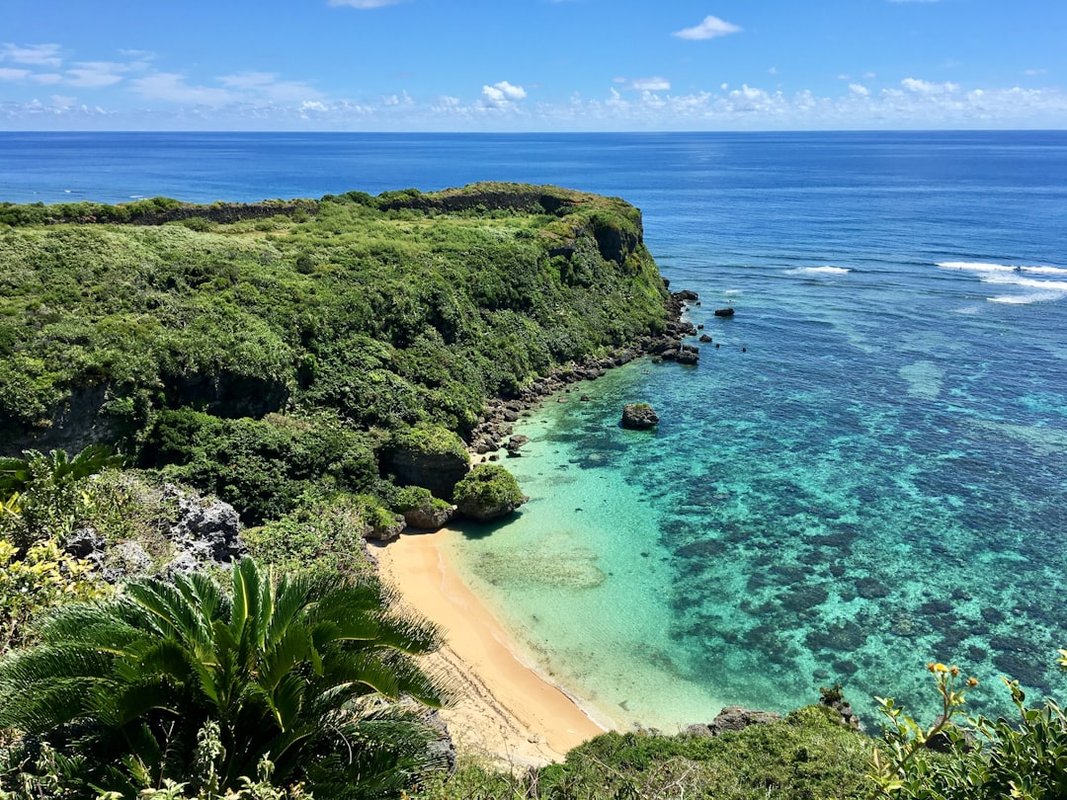
If you search for a week-long Okinawa plan right now you will find the same skeleton recycled across dozens of sites: Day 1 Shuri Castle, Day 2 American Village, Day 3 Churaumi Aquarium. Those articles read like someone wrote them after a single press trip — and many of them were.
I have lived on this island since 2019. I have watched foreign visitors do that exact checklist, return their rental cars exhausted, and tell me on the plane home, “We did Okinawa, but I don’t think we got Okinawa.” That’s because they were chasing monuments instead of letting the place breathe.
The counter-intuitive truth: American Village is the single most overrated stop on the standard itinerary. It is a strip-mall built to serve the US military base community. The aesthetic is Florida strip-mall, not Okinawa. I have never once recommended it to a friend and I am not recommending it here. The day most guides waste at American Village, I send you to Yanbaru — a UNESCO World Heritage subtropical forest where almost no foreign tourists go, where flightless birds live that exist nowhere else on earth, and where the silence after two days of driving will genuinely reset your nervous system.
This itinerary is also structured with two full days in Naha, where most guides give you one. Naha is a port city with deep Ryukyuan layers under its postwar reconstruction. One day skims the surface. Two days starts to reveal the texture.
Logistics You Must Settle Before Day 1
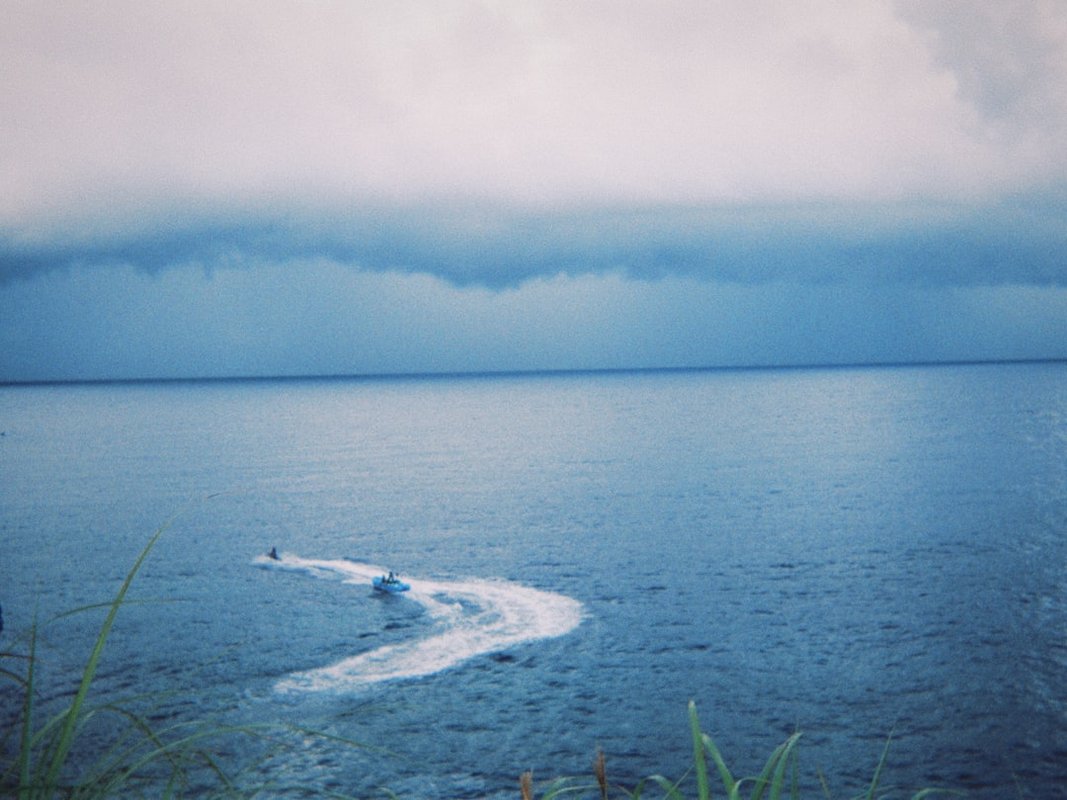
Rent a Car — and Pick It Up on Day 3, Not Day 1
You need a rental car for this trip. That is non-negotiable. Buses are slow, infrequent, and don’t reach the best beaches or anything in Yanbaru. The Yui Rail monorail covers Naha and stops there.
Here is the part most guides get wrong: do not pick up the car on Day 1. You will be jet-lagged, driving on the left for the first time in unfamiliar traffic, negotiating Naha’s aggressive surface streets. The Okinawa Expressway is fine; Naha’s city grid is not the place to learn left-side driving while exhausted. Use the monorail for Days 1-2, pick up the car on Day 3 morning when you are rested and heading north.
Affiliate link: if you book through this, I may earn a small commission at no extra cost to you.
Book through Klook’s Okinawa rental car platform — it compares OTS, Times, Nippon, and local agencies in one English-language flow. Expect ¥4,500-¥7,500 per day for a compact in shoulder season, more in August. You need an International Driving Permit issued in your home country before you arrive. A US license alone will not work. A UK or Australian license alone will not work. They do not issue IDPs in Japan.
Mobile Data
Don’t rely on hotel WiFi or roaming charges for navigation. Two options:
- Japan eSIM (QR activation) — instant activation on arrival, no physical pickup. Works on most iPhones from XS onward and recent Android flagships.
- Pocket WiFi (Ninja WiFi) — unlimited 4G LTE, picked up at the airport. Better if you have three or more devices to connect or if your phone doesn’t support eSIM.
Affiliate link: if you book through this, I may earn a small commission at no extra cost to you.
Affiliate link: if you book through this, I may earn a small commission at no extra cost to you.
I personally use an eSIM. Pocket WiFi is one more device to charge and one more thing to leave in a restaurant bathroom.
Two-Hotel Strategy
Two bases is the right number. Moving hotels every day wastes half your mornings on packing. Moving only once is clean:
- Naha (Days 1-2): Anywhere walkable to Kokusai-dori. The Kumoji and Matsuyama areas are well-placed.
- Onna or Yomitan (Days 3-7): Beachfront resort or condo unit. You will day-trip from here to Churaumi, Yanbaru, and the southern coast.
Search “Onna beachfront” or “Yomitan resort” on Agoda and compare free-cancellation and non-refundable rates for your dates.
Don’t try to overnight in Yanbaru. The lodging up there is sparse and eccentric, and the drives are perfectly manageable as day trips from Onna.
For a deeper comparison of where to base yourself by travel style and budget, see Where to Stay in Okinawa: Naha vs Onna vs Yomitan.
Day 1: Land in Naha — Walk, Don’t Drive
Land at NAH. International and domestic terminals are connected. Take the Yui Rail monorail to Kenchō-mae or Makishi station for most Naha hotels — fare is ¥270, journey time is roughly 15 minutes. This is the correct arrival move.
Check in. Shower. Drop your bags. You have the rest of the afternoon and evening.
Walk Kokusai-dori in the late afternoon. The main street is touristy, but it is also where Okinawan night culture concentrates. Skip the chain souvenir shops with the identical ceramic shisa lion dogs. Turn into the covered arcades that branch off the main drag — that is where the actual restaurants are, the ones that have been there since before the tourists arrived.
For dinner, go to Makishi Public Market (Matsuo 2-chome, Naha — one block north of Kokusai-dori, open daily from around 08:00, vendor stalls close by 20:00 most nights). The ground floor is a fresh fish market. Choose your fish, take it to one of the cooking stalls upstairs, pay a small preparation fee, and they cook it to order while you drink Orion beer. Budget ¥3,500-¥5,000 per person for a proper meal with sides. On my 2026-03-14 visit, a whole grilled ishigarei (flounder, roughly 600g) cost ¥2,200 at the fish counter plus ¥500 cooking fee upstairs — total ¥2,700 before drinks, which is a genuine deal.
Sleep by 22:00. Adjust hard tonight. You have six good days ahead.
Day 2: Shuri Castle, Tsuboya, Naminoue, Yatai Bars
Morning: Shuri Castle (Until ~12:00)
The main hall burned in October 2019 and reconstruction is ongoing. Watching the active rebuild is honestly more interesting than walking through a completed reproduction would be — you can see the traditional Ryukyuan carpentry techniques being applied at full scale, which is a kind of living museum the finished building will never be. The surrounding stone walls, Shurei Gate, and upper viewpoint are all intact and gorgeous.
Get there by Yui Rail to Shuri Station (¥340 from Makishi) or taxi from central Naha (~¥1,500). Allow two hours minimum. Entry to the outer grounds is free; the inner Kōden area charges ¥400 for adults through 22 November 2026, rising to ¥1,000 for entry from 23 November 2026 (Shurijo Castle Park official price page, checked 2026-08-24).
Afternoon: Tsuboya Pottery District
Walk down from Shuri or taxi back into central Naha and spend an hour on Tsuboya Yachimun-dori — a small pedestrian street of pottery studios and cafes built around an 18th-century kiln that is still standing. This is where the distinctive Okinawan ceramics tradition is most alive inside the city. Small yunomi tea cups start around ¥800; serious pieces run much higher. Good preview before you visit the larger pottery village in Yomitan on Day 6.
If it’s hot, continue to Naminoue Beach — Naha’s only swimmable city beach, with a Shinto shrine cantilevered on cliffs directly above it. Not a snorkeling destination, but worth an hour for the local atmosphere. Families with small children use it on weekday afternoons in a very unperformative way that tells you something true about how Naha people live.
Evening: Kokusai-dori Yatai-Mura
About 20 tiny restaurants under one roof, each specializing in something different — taco rice, Okinawa soba, awamori, grilled island pork. Order across multiple stalls. Budget ¥5,000-¥7,000 per person to eat and drink properly. The awamori starts at ¥500 a glass for the standard stuff; aged kusu versions run ¥1,200-¥1,800 and are worth it.
Before you sleep, read something about what you’ll eat for the rest of the week. The Okinawan Soul Food Guide — 7 Must-Try Dishes Beyond Goya Champuru will reframe your food decisions for the whole trip.
Day 3: Pick Up the Car, Drive North to Onna
This is the day the trip opens up.
Take a taxi or the monorail to Naha Airport’s car rental complex first thing in the morning. Most rental operations are in a single multi-story building near the terminals connected by shuttle bus. Bring your passport, International Driving Permit, and home-country license. Even with a prepaid online booking, allow 30-60 minutes for paperwork. Inspect the car for existing scratches before you sign anything — Okinawa rental agencies are notoriously strict about damage claims, and scratches you didn’t make will be your financial problem if they’re not documented first.
Drive north on National Route 58, the coastal road. Not the expressway — the coastal road. It takes 90 minutes from Naha to Onna at a comfortable pace. You’re driving on the left. The first 20 minutes feel strange. After that it normalizes.
Stop at Manzamo Cape on the way (Manzamo, Onna-son — free parking lot directly off Route 58, follow the signs). Five-minute walk from parking to the cliff edge. The famous arch-rock sea view is real and worth it. Better at golden hour, but fine in daylight.
Check into your Onna base hotel. Watch the sunset from the beach. Eat dinner at the hotel or a nearby restaurant and sleep early — tomorrow is the big activity day.
If you’re still deciding between staying in Onna versus Yomitan, or what to expect from beachfront resorts in each area, this comparison guide covers the practical differences in detail.
Day 4: Blue Cave Snorkeling + Churaumi Aquarium
The highest-anticipation day of the trip. The sequencing matters — do Blue Cave first, while the water is calm and the crowds are thin. Drive to Churaumi after.
Morning: Blue Cave (08:00-11:00)
Cape Maeda’s “Blue Cave” is an underwater grotto where sunlight refracts off the seafloor and turns the water a glowing electric blue. It’s genuinely otherworldly and not replicated anywhere else on the island. Book the earliest available slot — by midday it’s crowded, the water gets stirred up, and the light angle is worse.
On my 2025-09-03 visit, the 08:00 slot had roughly 8 people in the water. By 10:30 there were four separate tour groups and the visibility had noticeably dropped. The early start is not optional if you want the experience the photographs show.
Two booking options via Klook:
- Blue Cave Snorkeling Tour — guided, equipment included, a local guide who knows where the fish actually congregate. Best for first-timers. Prices as of 2026: ¥3,500 per adult for the standard 90-minute guided snorkel.
- Blue Cave Scuba Diving — introductory dive if you’re not certified, guided dive if you are. Introductory dives run approximately ¥8,500 per person including equipment rental.
Wear reef-safe mineral sunscreen. Okinawa’s reefs are legally protected and chemical UV filters are increasingly restricted. The brands that actually pass the rules are covered in Reef-Safe Okinawa: Sunscreen Rules, Products & Why It Matters.
For a broader map of where to snorkel across the island — beyond just Blue Cave — see Best Snorkeling Spots in Okinawa: A Local’s Guide.
Afternoon: Churaumi Aquarium (13:30-17:00)
From Cape Maeda it’s about 60 minutes north to Okinawa Churaumi Aquarium (424 Ishikawa, Motobu-chō, Kunigami-gun — inside Ocean Expo Park). This holds Japan’s largest aquarium tank, three whale sharks, and manta rays in open water. Even people who aren’t aquarium enthusiasts come out impressed.
Adult entry is ¥1,880 (2026 fee, up from ¥1,850 in 2024). Pre-book via Klook to skip the entry line — on busy days in summer the gate queue runs 45 minutes. Allow 3-4 hours inside. The surrounding Ocean Expo Park is free and worth an extra hour for the beachfront walk and the Oceanic Culture Museum building.
Drive back to Onna for dinner. The round trip from Onna to Churaumi is roughly 90 minutes each way. Eat and sleep.
Day 5: Yanbaru — The Entire North That 90% of Visitors Skip
Here is where this itinerary parts ways from everything else you will find online. Most guides send you to American Village today, or back to a Naha shopping street. I send you to Yanbaru.
Yanbaru National Park covers the entire northern third of Okinawa’s main island. It is the densest subtropical broadleaf forest in Japan. It is home to species that exist nowhere else on earth — the Okinawa rail (a completely flightless bird), endemic frogs, and reptiles that survived in isolation long enough to become their own distinct lineage. UNESCO designated Yanbaru a World Natural Heritage Site in 2021. On a typical weekday in the forest interior, you will hear almost no English.
On my 2026-02-19 drive through Higashi village, I passed two other cars in 40 minutes on the inland forest road. Both had Okinawa license plates. No rental car stickers, no tourist gear visible. That is the reality of how uncrowded this area is, even in late February when mainland Japan is in full tourist mode.
Day 5 Route
Hiji Falls is closed. The walkway to the falls, the campground and the car park have all been shut since the heavy-rain disaster of November 2024. Kunigami Village Tourism Association’s notice — titled “complete closure of the walkway to Hiji Falls and the campground” — says reopening “will take several years” (notice, updated 28 August 2025), and their spot page states the car park and the whole site are closed (spot page). Checked 24 September 2026. The route below describes the site before the closure and is kept for whenever it reopens — do not plan around it.
- Closed. Pre-closure reference only — do not plan this leg into your day: the drive from Onna was approximately 2 hours north to Hiji Falls (Hiji, Kunigami-son — follow the brown tourist signs from Route 58 north of Nago). Kept here for whenever the falls reopen.
- Closed. Pre-closure reference only: the hike to the falls was a 3 km round trip on an easy trail with one suspension bridge, manageable for average fitness — allow 90 minutes. Entry fee and hours are not listed here, since neither can be confirmed while the site is closed.
- Leave Onna at 08:00 and drive north to Cape Hedo — Okinawa’s northernmost point. Cliffs drop directly into the East China Sea on one side and the Pacific on the other. Free. Windy. Bring a layer.
- On the return, take the inland forest roads through Higashi village. The wild boar warning signs are not decorative. Drive at 30-40 km/h on the single-lane sections.
- Stop at a roadside café in Ogimi or Higashi for lunch or coffee — several small local places operate irregular hours but Google Maps has current listings. On my 2026-02-19 visit, a small café near Ogimi’s main intersection was serving Okinawa soba for ¥850 a bowl with handmade noodles noticeably better than most Naha restaurants charge ¥1,200 for.
- Return to Onna by 19:00.
Pack water, snacks, and insect repellent. Cell signal is patchy in the deeper forest sections but the main roads are fine for navigation. The Okinawa Rainy Season Complete Guide is worth reading if you’re doing this day in May or June — the forest is spectacular in the rain but some trails close and the roads get slick.
Day 6: Yomitan Pottery Country + Coastline
After Yanbaru’s intensity, a slower day. Yomitan is the correct answer.
Morning: Yachimun-no-Sato Pottery Village (09:00-12:00)
Yachimun-no-Sato (Zakimi, Yomitan-son — follow signs from Route 6 in Yomitan) is a village of roughly 20 active pottery studios established in the 1970s when several major Okinawan potters relocated from Naha’s Tsuboya district to set up traditional climbing kilns outside the city. You can walk between studios, watch potters at work on weekday mornings, and buy directly from the makers. The studios are open roughly 10:00-17:30, most closed Wednesdays.
Prices are honest: small guinomi sake cups from ¥800, practical yunomi tea cups from ¥1,200-¥2,500, and museum-quality decorative bowls running into five figures. This is the single best souvenir option in Okinawa for people who hate souvenirs. On my 2025-12-03 visit, a potter at one of the studios in the back row was throwing large storage jars and let me watch for 20 minutes before I bought two cups for ¥1,800 total. No other tourists present that morning — a Wednesday in December is as uncrowded as it gets.
Afternoon: Zakimi Castle + Coastal Drive
From Yachimun-no-Sato, drive ten minutes to Zakimi Castle ruins (Zakimi, Yomitan-son — free entry, open site, no gates). This is a UNESCO World Heritage Ryukyuan castle site that almost never appears in the standard itinerary because it doesn’t have a rebuilt hall — just the original limestone walls in their original state, no reconstruction, no gift shop, views west over the East China Sea. At sunset, the light on the stone is extraordinary.
Then drive the Yomitan coastal road south through small fishing villages and hidden coves. Several small beaches along this stretch have no names on tourist maps and no facilities — just sand, shallow clear water, and locals fishing from the rocks.
Evening: Local Grocery Run
If your accommodation has a kitchen or even a balcony, stop at a San-A or Union supermarket (both chains operate across Okinawa, with branches in Yomitan and Chatan). Buy shima-tofu (firm Okinawan-style tofu, denser and richer than mainland Japanese varieties, typically ¥180-¥250 a block), umi-budo sea grapes if the season is right, and a four-pack of Orion beer. Eat simply on the balcony. The trip deserves at least one evening of zero agenda.
Day 7: Southern Coast and Departure
Morning: Peace Memorial Park, Mabuni Hill
The southern tip of Okinawa’s main island was the site of the war’s final and bloodiest land campaign in 1945. Okinawa Peace Memorial Park (1 Mabunihigashi, Itoman — open daily, free entry to grounds, museum admission ¥300 adult) is the central memorial site. It is somber and essential. The inscribed stone walls list every name of every person killed in the battle — Okinawan civilians, Japanese soldiers, American soldiers, Korean laborers. Standing in front of those walls tells you more about modern Okinawa than any guidebook paragraph can.
Allow 90 minutes. The museum is worth the ¥300. Go before 10:00 while it’s quiet.
Late Morning: Senagajima Umikaji Terrace
Drive north from Mabuni toward the airport. Stop at Senagajima Island (connected by causeway, parking available, about 10 minutes from the airport). The cliff-side complex called Umikaji Terrace is a white-walled cluster of small cafes and shops with views of planes landing over the sea — a genuinely good last-morning coffee stop. Skip the souvenir shops. Pick a cafe with ocean-facing seats. Lunch if timing works.
Afternoon: Return Car, Fly Out
Return your rental car at the airport complex. Allow 45 minutes for the inspection and shuttle. The inspection takes longer than you think. Fill the tank before you return — every rental agency charges a penalty rate for empty tank returns, typically ¥800-¥1,500 above the market rate. There are gas stations on the approach road to the airport area.
Naha International Airport handles both domestic and international flights. The international side is compact and easy. Before you clear security, eat Okinawa soba at one of the noodle counters on the departures level. It is not the best version on the island. It is still better than what you will find for the next year wherever you are going.
What This Trip Actually Costs
For more detailed real-cost breakdowns including specific accommodation and food prices with dates, see Okinawa Budget: Real Costs for a 1-Week Trip (2026). The table below is the honest summary:
| Category | Budget | Mid-Range | Comfortable |
|---|---|---|---|
| Lodging (7 nights, per person sharing) | ¥35,000 | ¥63,000 | ¥112,000 |
| Rental car + fuel (7 days) | ¥31,500 | ¥42,000 | ¥63,000 |
| Food (7 days) | ¥21,000 | ¥35,000 | ¥56,000 |
| Entry fees + tours | ¥14,000 | ¥24,000 | ¥38,000 |
| SIM / pocket WiFi | ¥2,500 | ¥4,000 | ¥6,000 |
| Miscellaneous + souvenirs | ¥10,000 | ¥20,000 | ¥40,000 |
| Total per person | ¥114,000 | ¥188,000 | ¥315,000 |
Excludes international flights. Realistic mid-range per person is ¥180,000-¥200,000 (approximately $1,200-$1,350 USD at current exchange).
Variations: Shorter Trips, Families, Photographers
If You Have 5 Days
Hiji Falls is closed (see the note in Day 5 above), so a Yanbaru half-day built around it no longer works — the drive north doesn’t pay off for a single closed waterfall. If you only have 5 days, the honest move is to dropYanbaru from this shortened trip and combine the southern coast and departure into Day 5. Revisit Yanbaru on a future 7-day trip once Hiji Falls reopens.
If You Have 4 Days
Skip Yanbaru entirely. Day 1 Naha arrival and walk. Day 2 Shuri Castle and Tsuboya. Day 3 pick up car, drive north, Blue Cave. Day 4 Churaumi morning, Senagajima and departure afternoon. It’s a workable skeleton but you’re moving fast.
If You’re Traveling with Children
Hiji Falls is closed (see the note in Day 5 above), so skip that section entirely. Skip the Peace Memorial on Day 7 if children are under 10 — the WWII history is too heavy for younger ages. Yanbaru can become a half-day at Okinawa Fruits Land theme park instead. The coastal sections on Day 6 work very well for families. See Things to Do in Okinawa: 30 Local Picks (Not the Tourist Traps) for more family-friendly ideas.
If You’re a Photographer
Move Yanbaru to a position where you can be in the forest at 05:30. The light between dawn and 07:30 in the canopy is extraordinary — filtered, green-gold, and utterly unlike anything you can manufacture in post. In January, build in an extra half-day for Okinawa’s kanhizakura cherry blossoms, which bloom deep magenta on bare branches completely differently from the pale pink Yoshino variety of mainland Japan. Cherry Blossom Photography in Okinawa: 8 Best Spots covers the specific locations and peak timing.
When to Go
Brief version: March-April for comfort and low typhoon risk; May for warm water with approaching rainy season; June-August for peak beach and snorkeling with typhoon risk; September-October still warm but highest typhoon risk; November-February cool, dry, uncrowded. For the month-by-month breakdown, the Okinawa Rainy Season Complete Guide covers the real timing of tsuyu and how it affects each activity on this itinerary.
Book These Now (They Sell Out)
Affiliate links — using them supports this site at no extra cost to you.
Blue Cave Snorkeling Tour — Klook
- Guided 90-minute snorkel inside the famous Cape Maeda Blue Cave grotto
- All equipment included — mask, fins, wetsuit; no experience required
- English-speaking guides available; earliest slots at 08:00 sell out days in advance in summer
Affiliate link: if you book through this, I may earn a small commission at no extra cost to you.
Book Blue Cave Snorkeling on Klook →
Okinawa Beachfront Hotels — Agoda
- Onna and Yomitan beachfront resorts, with each room’s cancellation policy shown before you book
- Filter by beach access, free parking (essential for Days 3-7), and breakfast inclusion
- Compare the rate with the hotel’s own website before you book
Search Onna and Yomitan Hotels on Agoda →
Full-Day Okinawa North Coast Tour (Churaumi + Ie Island option) — GetYourGuide
- Guided full-day tour covering northern Okinawa including Churaumi Aquarium, Ocean Expo Park, and optional Ie Island ferry
- Hotel pickup from major Naha and Onna properties included; no navigation stress on a complex driving day
- English commentary throughout; useful as a Day 4 alternative if you prefer not to self-drive on the first full car day
Affiliate link: if you book through this, I may earn a small commission at no extra cost to you.
Book the North Okinawa Day Tour on GetYourGuide →
Frequently Asked Questions
Do I really need a car? Can’t I use Uber or taxis?
Uber does not operate in Okinawa in any meaningful capacity. Taxis exist but cost ¥5,000-¥10,000 for routes you would drive in 30 minutes. Without a car you are a Naha-only tourist. With a car, the entire island opens. There is no compromise position on this.
Is driving on the left difficult for someone who has never done it?
The first 30 minutes feel disorienting. After that your brain adapts. The Okinawa Expressway is calmer than Tokyo or Osaka traffic. The one genuine challenge is turning right across oncoming traffic at unsignaled intersections — in Japan, turning right is your responsibility to wait for a gap, not the intersection’s job to protect you with a dedicated phase.
What is the food actually like — is it similar to mainland Japanese food?
Meaningfully different. Okinawan cuisine has Chinese, Southeast Asian, and Pacific Island layers built over a Japanese base. Goya champuru is the famous dish but the depth is in the soba broths, the awamori-braised pork, and the island vegetables you will not find anywhere else. The Okinawan Soul Food Guide will tell you what to actually order before you get here.
Will I see cherry blossoms?
Only in January, and only the Okinawan variant — deep magenta kanhizakura on bare branches, nothing like the pale pink Yoshino cherry of mainland Japan. If you’re traveling in January, Cherry Blossom Photography in Okinawa: 8 Best Spots has the specific locations and timing.
Is snorkeling in Okinawa worth it if I’ve already snorkeled in Hawaii or the Maldives?
Honestly: Okinawa’s snorkeling is not Maldives-level. The reef systems in the outer islands (Kerama, Miyako, Ishigaki) are world-class, but the main island’s snorkeling — including Blue Cave — is good rather than exceptional. The Blue Cave is unique enough to experience at least once. For a realistic comparison of the best spots on the main island, see Best Snorkeling Spots in Okinawa: A Local’s Guide.
Plan Your Okinawa Trip
Affiliate links — using them helps support this site at no extra cost to you.
- Churaumi Aquarium tickets — skip the line at northern Okinawa’s iconic aquarium
- Okinawa car rental — essential for the islands and northern routes
- Kerama Islands full-day snorkeling — ferry to the Kerama chain — best reef day-trip from Naha
- all Okinawa tours on Viator — general catalog deep link for hub articles
Affiliate link: if you book through this, I may earn a small commission at no extra cost to you.
Affiliate link: if you book through this, I may earn a small commission at no extra cost to you.
Affiliate link: if you book through this, I may earn a small commission at no extra cost to you.
Affiliate link: if you book through this, I may earn a small commission at no extra cost to you.
Small commissions from these partners help keep this guide independent.