By Daisuke — born and raised in Okinawa (34 years and counting).
This post contains affiliate links — if you book through them, I may earn a small commission at no extra cost to you.
Quick answer: If your trip stays in Naha, you can usually get around by Yui Rail monorail, bus, taxi or on foot. A rental car is most useful for flexible, multi-stop days in the north or along the coast. Before booking, compare the full cost: rental, fuel, expressway tolls, parking and insurance. The licence documents you need depend on the country that issued your licence. Japan’s National Police Agency guidance explains the 1949 Geneva Convention International Driving Permit route, the separate licence-plus-Japanese-translation route available only for certain countries and regions, and how long each can be used.
Updated 25 October 2026: Daisuke re-checked the first-hand local details, and a few lines that couldn’t be confirmed were removed or reworded. On 20 October, selected driving, parking and service details were revised against previously saved official sources and independently reviewed. Earlier updates: the four-point booking comparison was checked against official information on 19 October, and licence- and ticket-related details were improved on 7 October. This isn’t a fresh check of the whole article, so confirm current rules, prices and availability with the operator before you travel.
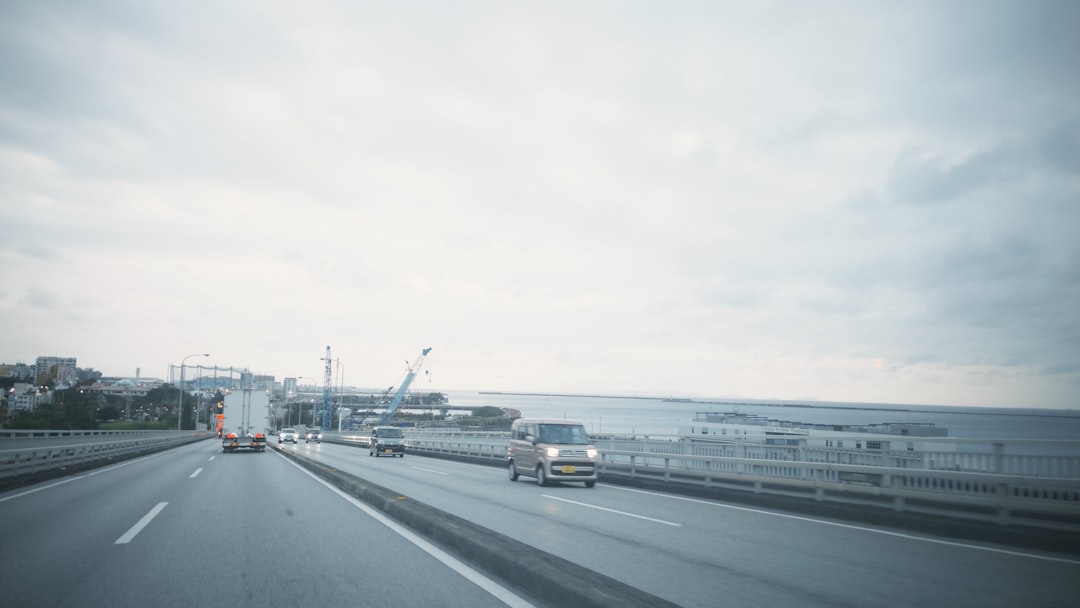
Do You Need a Rental Car in Okinawa? When Driving Is Worth It
A rental car is a choice, not a requirement. If your trip centres on Naha, the Yui Rail monorail, buses, taxis and walking can handle a city-based stay, and ferries to the Kerama Islands leave from Naha too. Going car-free also means no parking to arrange and no driving documents to sort out.
A car earns its place when you want several stops away from Naha in one day, such as the northern Yanbaru region, Cape Hedo, the Katsuren Peninsula or a run of coastal beaches. Public transport reaches some of these areas but makes it harder to combine them, and an organised tour follows its own fixed route.
Before booking, add up the full cost for your actual dates rather than the daily rate alone:
- Rental: the base rate for your vehicle class and dates
- Insurance and waivers: what the base rate includes and what costs extra
- Fuel: your planned distance and the refuelling terms
- Parking: at your hotel, at attractions and in the city
- Tolls: if you plan to use the expressway
Compare that total with monorail and bus fares or an organised tour for the same days. One practical option is to stay car-free in Naha and rent only for the days you head north or along the coast. The 7-day Okinawa itinerary shows how to sequence that, and 30 local picks across Okinawa helps you judge whether your stops justify driving.
Should You Pick Up Your Car the Morning After You Land?
Many plans assume you’ll collect your rental car the moment you land at Naha Airport. That isn’t always the best fit. If you arrive later in the day and your first night is in Naha, a next-morning pickup is worth comparing.
Collecting a car at the airport involves the rental counter. It may also include a shuttle to the company’s car lot before you drive away. How long that takes depends on the company, the branch and how busy it is, and peak periods such as Golden Week can be busier. If you’re staying in central Naha, the Yui Rail monorail links the airport with the city, so you may not need the car until the next day. Before switching, check the branch’s pickup location and opening hours. Also check whether a different pickup time changes the price or the cancellation terms.
Picking up your car the morning after you land is one option, not a rule. If you arrive late or tired, or you’re staying somewhere in Naha you can reach without driving, collecting the car the next day means your first drive doesn’t have to start straight off a flight. If your lodging is hard to reach without a car, or you’ve planned a drive for arrival day, same-day pickup may suit you better. Either way, check the rental branch’s pickup hours and location when you book.
The One Spot Most Visitors Overlook: Kokusai-dori on Foot First
Your arrival evening, while carless, is a good time to walk Kokusai-dori (International Street) in Naha. It’s one of Okinawa’s best-known shopping streets, about 1.6 km long, and it isn’t an easy place to drive. Narrow side lanes, limited parking and heavy foot traffic make it a pedestrian experience. You lose nothing by not having a car that evening — and you get an unhurried walk through the city’s main souvenir district.
One suggestion: before browsing the Kokusai-dori souvenir shops, consider a stop at Makishi Public Market (第一牧志公設市場, 2-10-1 Matsuo, Naha), and check the way there from wherever you’re starting. You can buy fresh fish and other ingredients at the stalls, and restaurants on the second floor can cook them for you. The ingredients and the cooking charge are paid separately, and the charge varies with what you order, so ask the restaurant first which items it will prepare and what it will cost (market guide). If you’re staying in central Naha, you may not need the car to get there.
For a Naha stay before collecting a rental car, compare Klook’s Naha hotel listings. Choose your dates and check the nearest monorail station, walking route, room terms and parking charges before booking. Affiliate link: I may earn a commission at no extra cost to you.
Driving Permits for Visitors to Japan: IDP or Licence Translation
Japan’s National Police Agency (NPA) explains which documents let visitors drive. According to the NPA guidance for licences issued in another country, you can drive with one of the following:
- A Japanese driving licence
- An International Driving Permit (IDP) issued under the 1949 Geneva Convention
- An eligible foreign licence together with an approved Japanese translation
The translation route covers licences issued only in Switzerland, Germany, France, Belgium, Monaco and Taiwan. It does not cover every EU country, so don’t assume a European licence qualifies.
Ordinary visitors from the United States can drive on a qualifying 1949 Geneva Convention IDP. A Geneva IDP is valid for one year from its issue date, and you can drive on it in Japan only until whichever comes first: one year after you land, or the permit’s expiry. If your permit expires partway through your trip, plan around that date.
Before you prepay a rental, check which route applies to the country or territory that actually issued your licence, which may not match your nationality, and confirm what documents your rental provider asks for at pick-up. If your licence fits neither the IDP nor the translation route, review the NPA guidance before building your plans around driving. Sources checked 7 October 2026.
Choosing a Rental Company: The Honest Comparison
Several large rental companies operate in Okinawa, including Toyota Rent a Car, Times Car Rental, Nissan Rent a Car and Orix Rent a Car, alongside other domestic and international brands. Rather than choosing on brand alone, check the specific branch and vehicle you’re booking:
whether staff can help in a language you’re comfortable with
which navigation languages the car offers
whether an ETC card is available
which documents the company needs for an overseas licence
These details can differ between branches and vehicles. If you’re relying on the car’s navigation, they matter more than the logo.
Prices and availability vary by company, branch, vehicle class and date. Compare quotes for your exact dates rather than relying on a typical daily rate. Availability can be tighter around Japanese holiday periods such as Golden Week (late April–early May), Obon (mid-August) and the summer school holidays. If you’re travelling then, book early. Compare the total cost, meaning the base rate plus options such as insurance cover and an ETC card, along with each offer’s cancellation terms.
Booking Ahead: Car Rentals and Hotels on Klook
Booking before you fly gives you time to compare pickup locations, deposit rules, insurance and cancellation terms at home instead of on arrival day. Both options below are on Klook: one for car rentals and one for Naha hotels. Treat them as places to compare, and check the details of the specific offer you choose.
Affiliate link: if you book through this, I may earn a small commission at no extra cost to you.
Klook Okinawa Car Rental is one place to compare rental options. Terms vary by listing and provider, so before booking, check the specific listing you choose for the displayed price and its fee breakdown, the car’s equipment and navigation language, the exact pickup location, and the support, change and cancellation terms. Check current Klook Okinawa rental availability →
Compare these four points before you book:
- Pickup: Find out how you’ll get the car: an airport-terminal counter, a shuttle to an off-airport branch, or another arrangement. Read that location’s pickup instructions, opening hours and late-arrival policy.
- Card and deposit: Confirm which cards the supplier accepts in the main driver’s name (for example, whether debit cards are allowed), the deposit this offer lists, and how it’s held and released.
- Insurance: See whether this offer includes the supplier’s collision damage waiver (CDW) and third-party liability (TPL) cover before weighing extra cover. DiscoverCars, for example, says its Full Coverage reimburses eligible costs after you’ve paid them, still requires the supplier’s deposit and doesn’t replace TPL.
- Cancellation: Note this offer’s cancellation deadline, whether refunds go to your payment method or come as booking credit, and its non-refundable and no-show conditions.
Sources (checked 19 October 2026): DiscoverCars help on what Full Coverage is and security deposits with Full Coverage; DiscoverCars terms and conditions.
Naha hotels on Klook — compare accommodation separately from your car rental. Select your travel dates, inspect the hotel location and parking arrangements, and check the cancellation terms for the specific room rate. Prices and availability vary by dates and room type. Compare current Naha hotel availability → Affiliate link: I may earn a commission at no extra cost to you.
Do You Need a Pocket WiFi Device?
Affiliate link: if you book through this, I may earn a small commission at no extra cost to you.
It can help if you rely on Google Maps and your phone plan doesn’t include affordable data in Japan. No device guarantees a signal everywhere, though. Ninja WiFi’s terms of service note that coverage and speed can be affected by signal conditions, terrain, buildings and congestion. Its current device specs name specific carriers, SoftBank for some models and docomo for others. Whichever provider you use, compare the device, data allowance, coverage notes, price and pickup options for your dates before you book. Klook also sells Japan pocket WiFi pickup →
Expressway Tolls and ETC Cards: The Numbers That Matter
The Okinawa Expressway (沖縄自動車道) runs roughly 57 kilometres from Naha IC in the south to Kyoda IC near Nago in the north. For trips toward Churaumi Aquarium, Cape Hedo or the Yanbaru area, compare it with other routes on your navigation on the day rather than assuming one is always faster. The full Naha-to-Kyoda run costs ¥1,610 in cash, or ¥1,040 with an ETC card, for a standard passenger car (2026 rates; check the operator’s current fares before you travel).
Not every rental car or branch is set up the same way. Check that your vehicle has an ETC unit and whether the branch can rent you an ETC card. Toyota Rent a Car, for example, notes that some of its branches don’t handle ETC cards and that numbers may be limited (Toyota Rent a Car). Ask how the card is charged and how tolls are settled when you return the car. For an ordinary car between Naha and Kyoda, NEXCO currently lists ¥1,610 cash / ¥1,040 ETC. It notes a limited discount scheduled until 31 March 2027, and rates differ by route and vehicle class. Weigh any saving against the card’s rental charge. Without an ETC card, use a lane that accepts cash.
Whether the expressway is worth paying for depends on where you’re going. It can make sense for longer trips north. NEXCO’s travel page describes Kyoda as the exit towards Churaumi Aquarium. For shorter hops in the south and centre, compare the expressway and local-road options in your navigation before deciding. NEXCO currently lists the toll between Naha and Kyoda for an ordinary car as ¥1,610 cash / ¥1,040 ETC. It notes a limited discount scheduled to run until 31 March 2027. Tolls differ for other sections and vehicle classes (NEXCO).
- Expressway name: Okinawa Expressway (沖縄自動車道)
- Total length: 57 km, Naha IC to Kyoda IC
- Full-length toll (standard car): ¥1,610 cash / ¥1,040 ETC
- Shorter sections: Tolls depend on where you join and leave, your vehicle class and whether you pay by cash or ETC, so check the current fare for your interchanges with the operator before you go.
- ETC card rental: availability and charges vary by branch. Confirm with the branch you’ll use, and weigh the charge against the toll difference for your route.
- Expressway speed limits: these vary by section, so follow the posted signs and any restrictions in force on the day rather than relying on a single figure
- Key exits: Check which interchange suits your destination using your navigation or the operator’s current information before setting off. For Churaumi Aquarium, the expressway operator’s travel guide points to Kyoda as the exit in that direction.
Expressway traffic varies with the day, the season and local events, so check current traffic information before you set off and build some slack into your plans. If you’re still choosing when to visit, the month-by-month timing guide may help with seasonal planning, but rely on live traffic information for the day itself.
Parking at Major Okinawa Attractions: What the Signs Don’t Tell You
Parking at popular attractions such as Churaumi Aquarium, Nakagusuku Castle, Shurijo Castle Park and Cape Manzamo varies in layout, fees and rules, and how busy it gets depends on the day and the season. Before you go, check each attraction’s current official parking information, then follow the signs and any staff directions on site. On weekends and public holidays, leave some slack in your schedule in case you have to wait for a space.
Where I actually park around Kokusai-dori: the underground garage at Palette Kumoji on the Kencho-mae end, a multi-storey car park near Makishi Station at the other end, and the car park behind Sakurazaka Theatre. All three beat circling for street parking.
Churaumi Aquarium is a popular stop. Check the official parking information and current admission fees before you go, and leave some slack in your schedule for parking at busy times such as Golden Week.
Shurijo Castle in Naha has official park parking, listed at ¥400 per visit for a small car (Shurijo Castle Park). For Kokusai-dori, use the paid lots off Makishi and check the posted rates, which vary by lot. Do not attempt street parking anywhere near the International Street precinct.
- Churaumi Aquarium: Check the current official parking information before you go, and follow the on-site signs for where to park
- Shurijo Castle: official park parking, ¥400 per visit for a small car
- Cape Manzamo: Check current parking arrangements and any fees in the official information or on the signs, and allow time in case you need to wait
- Kokusai-dori area: If you drive here, read each lot’s posted rates and time limits before you park
- Kouri Island: Check the current parking options and any fees for Kouri Beach before you go, especially for summer visits
- Mihama American Village (Chatan): Check the posted parking rules, any fees and time limits when you arrive
- Okinawa World (Gyokusendo Cave): Check the current official parking information before you go, including for weekend visits
Outside Naha, it can be tempting to pull over wherever there’s space, but a quiet road isn’t permission to park. Parking restrictions, and any exceptions to them, are set under Japanese law (National Police Agency). Use a designated car park, and check its signs and the operator’s conditions before you leave the car. If you’d like ideas beyond the headline sights, the 30 local picks list is a good place to start. Check the parking arrangements for each stop as you plan.
Left-Side Driving: A Realistic Transition Guide
Japan drives on the left, with the steering wheel on the right. That’s the opposite of North America, continental Europe and most of South America. If it’s new to you, expect it to take some getting used to. How long that takes varies from person to person, so don’t pack your first driving day too tightly.
About the わ plate: rental cars in Japan usually carry the hiragana わ on their number plates, so a rental is easy to spot. Honestly, I do pay a bit of attention to them: when I see a わ plate, I figure the driver is probably a visitor, so I drive a little more carefully around that car. For your part, drive calmly and take your time.
Before you start the engine, it’s worth getting a few habits clear in your mind. Here is the core framework:
- Driving on the left: Traffic in Japan keeps to the left. Follow the lane markings and road signs, and adjust the seat and mirrors in your rental car before you set off.
- Left turns are the tight turns, right turns are the wide turns: Reverse of North America and Europe. Slow down more than you think necessary for left turns at intersections.
- Check the indicator and wiper controls: Don’t assume the layout matches the car you drive at home. Before you set off, find out which stalk works the indicators and which works the wipers in the car you’ve rented. A quick check in the lot can save a surprise at your first turn.
- Speed limits: limits depend on the road and the section, so the posted sign is what counts. The National Police Agency notes that from 1 September 2026, the default legal limit on certain ordinary roads without a centre line and similar features is 30 km/h where no other limit applies. That rule doesn’t cover every road, so keep checking signs and road conditions as you go (National Police Agency).
- Lanes and overtaking: On wider roads, follow the lane markings, road signs and current traffic rules for that stretch rather than relying on a single rule of thumb.
There’s no single right road for your first drive. You might start on the expressway or on local roads. Either way, pick a route you’ve looked at in advance, follow the signs and any restrictions on the day, and choose what matches how ready you feel. If you’re building a full week around the island by car, use the 7-day local itinerary as a starting point and adjust each day’s driving to suit you.
Planning Fuel Stops on Your Route
Before returning the car, check your rental agreement or return instructions for how much fuel the tank needs. Use the fuel type shown on the vehicle’s fuel label or paperwork. At Japanese pumps, regular petrol is labelled レギュラー. If you’ll refuel on the way back to the airport, pick a station on your return route in advance and check its opening hours.
Reef-Safe Rules and the Car Boot You Need to Pack Right
If you’re driving to a snorkelling spot, check whether the beach or its operator has any current rules or requests about sunscreen. Pack what you plan to use before you set off. For general background, see the reef-safe Okinawa sunscreen guide. The rules posted by each beach’s manager are what apply on the day.
A Suggested First Driving Day: Naha to Motobu
Whatever first day you plan, keep it flexible. How quickly you settle in depends on you, the route and the conditions. It’s fine to cut a stop, take a break or change the plan if it isn’t working.
Evening traffic: in my experience, Route 58 gets congested in the evening, roughly 5 to 6 p.m., and Route 330 is congested at the same time, so switching between the two won’t help much. If you’ll be on either road around then, allow extra time or set off earlier.
Morning — Setting Off From Your Rental Branch
If you decide to use the expressway on your first day, set the navigation to a language you can read before leaving the rental lot, if the car offers it. Then check the current route from your rental branch to your destination, including where you’d join and leave the expressway. Driving times vary with traffic, so rely on your navigation’s estimate on the day rather than a fixed figure.
Mid-Morning — Optional Break at American Village, Chatan
Mihama American Village in Chatan is one option if you want a break early in your first drive. Parking arrangements can change, so check the signs, any fees and any time limits when you arrive. If you’d like a coffee or a snack, look up current options in the area before you go and check their opening hours.
Afternoon — Continuing North Toward Motobu
From Chatan, National Route 58 is one option for heading north along the west coast toward the Motobu Peninsula or Nago. Traffic varies, so compare it with your navigation’s current route and estimated time before you set off, and only stop where stopping and parking are clearly allowed. If you’re planning beach stops, the guide to the best beaches accessible in May and June may help you shortlist options. For snorkeling-focused days on the northern coast, see the local snorkeling guide, then check current access, parking and sea conditions at each spot before you go.
- Fuel: Check where you can refuel on your planned route and whether those stations will be open when you pass, and top up before longer stretches rather than waiting until the tank is low.
Update Log
- 2026-07-05: Added first-hand local details from Daisuke (evening traffic on Route 58/330, rental-plate reality, Kokusai-dori parking).
- 2026-10-25: Daisuke re-checked these first-hand details. The note on how locals react to わ rental plates was corrected, and a few lines that couldn’t be confirmed were removed or reworded.
Plan Your Okinawa Trip
Affiliate links — using them helps support this site at no extra cost to you.
Affiliate link: if you book through this, I may earn a small commission at no extra cost to you.
- Okinawa car rental can suit itineraries covering the north or several stops in a day. Compare it with public transport and tours for your route.
- Yui Rail ticket offer (Klook) — before booking, check the current price, date of use, validity period and any activation steps shown for the selected offer, then compare those terms with the official station-issued pass options before you choose. Affiliate link: if you book through it, I may earn a commission at no extra cost to you.
Affiliate link: if you book through this, I may earn a small commission at no extra cost to you.
- Japan eSIM option — before buying, check that your phone supports eSIM, then read the selected plan’s current device requirements, activation steps, validity period, coverage notes and refund terms.
Some links in this guide are affiliate or sponsored links. If you book through them, I may earn a commission.