By Daisuke — born and raised in Okinawa (34 years and counting).
For most people, the best Kerama Islands tour from Naha is a full-day boat trip that gets you into the water at two or three reef spots, not a rushed half-day that spends more time transiting than snorkeling. I’m Daisuke, born and raised in Okinawa (34 years and counting), and I run this blog to cut through the copy-paste tour listings. The problem: tour pages all look identical online, but they differ hugely in boat size, actual in-water minutes, whale-season overlap, and whether hotel pickup exists. This article compares them by what actually changes your day.
This post contains affiliate links. If you book a tour or buy through them, I may earn a commission at no extra cost to you.
What are the Kerama Islands, and why go from Naha?
The Kerama Islands (Kerama Shoto) are a cluster of small islands about 30–40 km west of Naha, best known for a shade of clear water so distinct that Japan named it Kerama Blue. The three main islands are Zamami, Aka, and Tokashiki. They became Japan’s 31st national park in 2014, which tells you the reef and marine life are legitimately protected, not marketing spin.
From Naha you have two routes: a guided snorkeling boat tour that includes gear and lunch, or the public ferry from Tomari Port that you self-organize. Tour boats reach the reef in roughly 50–90 minutes depending on boat type. The public high-speed ferry (Queen Zamami) to Zamami runs about 50–70 minutes, and the regular ferry around 90–120 minutes, per Zamami Village’s published timetables.
Most day-trippers take a tour for one reason: it collapses four separate bookings — ferry, beach, gear, guide — into one. But if you’re an independent traveler who wants beach time over guided snorkeling, the DIY ferry can genuinely beat a tour. More on that split below.
Getting to the Kerama Islands from Naha: fares and times (2026)
Every public boat leaves from Tomari Port (the “Tomarin” building), about a 20-minute walk from Miebashi monorail station. Two village-run operators serve the three day-trippable islands: Zamami Village runs boats to Zamami and Aka, and Tokashiki Village runs boats to Tokashiki. Here are the one-way adult fares and crossing times, as of 2026.
| Boat (from Tomari Port) | Island | One-way adult | Crossing |
|---|---|---|---|
| Queen Zamami (high-speed) | Zamami / Aka | ¥3,950 | ~50–70 min |
| Ferry Zamami (regular) | Zamami / Aka | ¥2,900 | ~90–120 min |
| Marine Liner Tokashiki (high-speed) | Tokashiki | ¥2,530 | 40 min |
| Ferry Tokashiki (car ferry) | Tokashiki | ¥1,690 | 70 min |
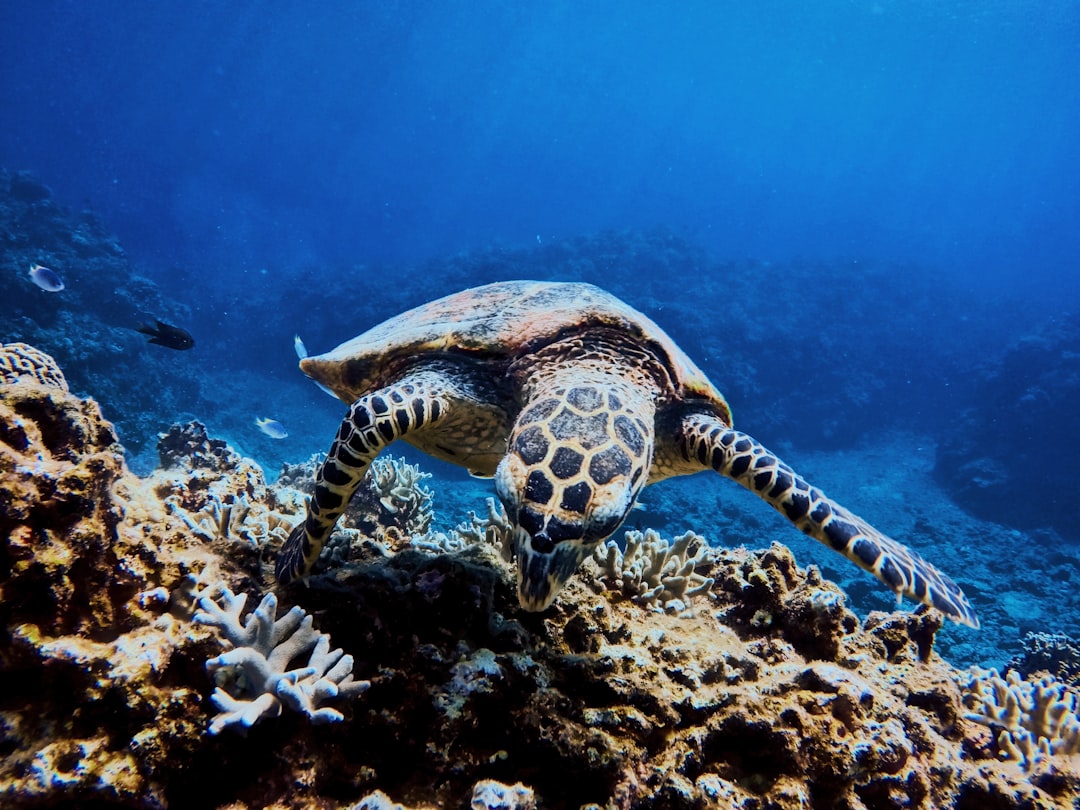
Which island should you pick? Tokashiki suits first-timers and families: Aharen Beach is calm, walkable from the port, and one of the better spots in Okinawa for spotting green sea turtles. Zamami rewards snorkelers — Furuzamami Beach has roped-off swim zones and reef fish right off the sand, a short ride from Zamami Port. Aka is the quiet one: Nishibama Beach is the only staffed beach of the three, with the clearest water, about a 20-minute walk or 10-minute cycle from the pier. All three sit inside Keramashoto National Park, protected since 2014, so the coral and the famous Kerama Blue are the real thing, not a brochure line. If you can only do one island and want an easy day, take the Marine Liner to Tokashiki; if snorkeling is the whole point, go to Zamami.
Two costs people forget. First, a ¥100-per-person environmental cooperation fee (kyoryokukin) is collected at boarding on both villages’ boats. Second, if you want to hop between Aka and Zamami, the small village boat “Mitsushima” costs ¥500 for adults on the 15-minute crossing, running four round trips a day with no reservation. Bike rental on the islands is about ¥300–1,000 if you’d rather not walk the roughly 20 minutes from port to beach.
Affiliate link: if you book through this, I may earn a small commission at no extra cost to you.
Reserve ahead in summer. Zamami opens online booking 55 days before departure through the village’s official portal; Tokashiki opens 60 days out, and its April-to-November sailings routinely sell out. The high-speed boats fill first. First useful departures run around 09:00 for both islands, with last returns near 17:00 for Zamami and 17:30 for Tokashiki. Tokashiki’s 40-minute crossing gives you the most beach time per travel hour, which is why I send first-timers there when they only have one day. If you want to compare a guided boat instead, a Naha-departing Kerama snorkeling tour on Viator bundles the boat, gear, and pickup so you skip the ferry-booking window entirely.
Which Kerama tour from Naha actually fits me?
Pick by group type: families do best on larger, stable boats with shallow snorkel spots; couples and photographers want smaller boats that reach quieter reefs; solo snorkelers should prioritize in-water time and guide ratio over lunch quality. The single biggest variable people ignore is boat size, because it drives seasickness, capacity, and how far offshore you can go.
Larger tour boats hold 30+ passengers, roll less in chop, and usually anchor at calmer, shallower reef spots — good for kids and nervous swimmers. Smaller boats (roughly 10–20 people) feel bumpier but reach spots the big boats skip, and you spend less time waiting for everyone to gear up.
Affiliate link: if you book through this, I may earn a small commission at no extra cost to you.
A standard full-day Kerama trip is the safest all-rounder. You can compare a mainstream operator with the Kerama Islands full-day snorkeling tour, then check pricing and boat details against an alternate Kerama boat operator. Read the inclusions line by line — gear, wetsuit, lunch, and hotel pickup vary more than the headline price.
How much snorkeling time do you actually get in the water?
Real in-water time on a full-day Kerama tour is usually 60–120 minutes total, split across two or three stops — far less than the eight-hour tour length suggests. The rest goes to transit, boat repositioning, gear briefings, and lunch. Half-day tours often deliver only one stop and 30–45 minutes wet, which is why I’d skip them unless you’re short on days.
Here’s the math people miss. A full-day tour might run 8:00 to 16:00, but subtract 90 minutes each way for the boat, 30–40 minutes for lunch, and 15–20 minutes of gearing up at each stop. What’s left is your genuine snorkeling window.
Ask the operator two questions before booking: how many reef stops, and how long anchored at each. Two stops of 40 minutes beats three stops of 20 minutes because you lose less time re-anchoring.
When does whale season overlap Kerama snorkeling trips?
Humpback whale season in the Kerama waters runs roughly late December through early April, peaking in February and March, and it partly overlaps the shoulder of snorkeling season. That overlap matters because some winter Kerama boat trips pivot to whale watching instead of, or alongside, snorkeling — and the water is cold enough (around 21–22°C in February, per JMA sea-surface data for the region) that snorkeling needs a wetsuit.
If whales are your goal, book a dedicated winter trip rather than assuming a summer-style snorkel tour will show you both. The Kerama Whale Watching Association operates structured season tours; I break down timing and success rates in my Okinawa whale watching January–March guide.
For pure reef snorkeling, the sweet spot is May through October, when sea temperatures sit around 26–29°C and visibility is strong. July and August have the warmest water but also the highest typhoon-cancellation risk. If you want warm water and calmer booking odds, aim for late May to mid-June, before the summer crowds and before typhoon season peaks.
How bad is the seasickness factor on the crossing?
The Naha-to-Kerama crossing is open water, and on windy days the chop is real — seasickness is the most common complaint on these tours, especially on smaller boats. If you’re prone to it, take medication 30–60 minutes before departure, sit low and central on the boat, and keep your eyes on the horizon rather than your phone.
Winter and shoulder-season crossings tend to be rougher than calm summer mornings. Wind picks up through the day, so a boat that leaves Tomari or Naha before 9am generally rides smoother than an afternoon departure.
Larger boats dampen the motion noticeably. If anyone in your group has a weak stomach, the family-scale boats are worth the trade-off in reef access. Japanese pharmacies sell motion-sickness tablets (yoidome) cheaply without a prescription — grab them the day before, not at the port.
Does the tour include hotel pickup, or do I get myself to the port?
Hotel pickup is included on some Kerama tours but not all, and it usually only covers hotels in central Naha or along the monorail line — not resorts up in Onna or Nago. Always confirm your specific hotel is in the pickup zone before booking, because a missed pickup means a taxi scramble at 7am.
If pickup isn’t offered, most tours meet at or near Tomari Port (Tomarin building), a short taxi or monorail-plus-walk from central Naha. From Naha Airport, the Yui Rail monorail plus a walk gets you close, or a taxi runs roughly ¥1,500–2,000 from the airport area depending on traffic. If you are hopping around Naha on the same trip, compare your planned fares with Yui Rail station day passes (official, non-affiliate). The station-issued 1-day pass covers the monorail part of the journey for 24 hours after purchase; the walk to Tomari Port is separate.
Staying up in the resort belt changes the calculus. If your base is Onna, a Kerama day trip means a long pre-dawn transfer, and you might prefer a closer reef instead. I lay out where to stay for what in my 7-day Okinawa itinerary, and the transfer logistics in my getting-around guide.
When does the DIY ferry to Zamami beat a guided tour?
The DIY ferry to Zamami beats a tour when you want beach time and independence over guided snorkeling, when you’re staying overnight, or when you simply want to save money. Furuzamami Beach on Zamami has roped-off swim zones, gear rental, and reef right off the sand — you don’t strictly need a boat to see fish.
Round-trip ferry fares to Zamami are modest compared with a full tour: the Queen Zamami and regular ferry are operated by Zamami Village, with fares published on their official site (¥5,510 round trip on the regular Ferry Zamami or ¥7,510 on the high-speed Queen Zamami, both including the round-trip discount — Zamami Village official fare table, checked 2026-08-24). Book ahead in summer — the fast ferry sells out on weekends.
The counter-intuitive part: a tour isn’t automatically better value even though it bundles everything. If you’re two confident swimmers happy to rent snorkels at Furuzamami and lie on the beach between swims, DIY gives you more water time for less money. A tour wins when you want a guide to find the good reef, gear sorted, and zero planning. Pick the format that matches how you actually spend a beach day, not the one with the prettier listing photo.
Kerama tour vs DIY ferry: quick comparison
This table compares the two main ways to reach the Kerama reef from Naha so you can match format to trip style. A guided boat tour maximizes reef variety with zero planning; the DIY ferry maximizes flexibility and beach time for less money.
| Factor | Guided boat tour | DIY ferry to Zamami |
|---|---|---|
| Reef stops | 2–3 boat spots | 1 beach reef (Furuzamami) |
| In-water time | ~60–120 min guided | As long as you like |
| Gear | Usually included | Rent at beach |
| Planning effort | Low — booked once | Higher — ferry + gear + timing |
| Best for | First-timers, families, guided reef | Confident swimmers, beach days, overnighters |
| Rough-day risk | Cancellation if boat can’t run | Ferry also cancels in high wind |
What’s Easy to Get Wrong Here
The most common mistakes on Kerama day trips are booking a half-day expecting real snorkeling, ignoring the seasickness factor, and assuming every tour includes hotel pickup. All three are avoidable before you pay — and none of them are fixable once the boat leaves Tomari.
Half-day tours look cheaper but often deliver one short reef stop after a long transit — the ratio of travel to swimming is poor. People also underestimate the crossing; a rough ride can wipe out a nervous swimmer before they even get in the water. And pickup zones are narrower than the listings imply, so a resort guest up north can get stranded.
Affiliate link: if you book through this, I may earn a small commission at no extra cost to you.
Two more traps: not checking the typhoon-season cancellation policy in July and August, and forgetting reef-safe sunscreen, which matters inside a national park. Bring cash too — small operators and beach gear rentals don’t always take cards. The islands are cash-oriented with few ATMs, and mobile coverage is patchy on the water, so sort connectivity before you sail — a Japan travel eSIM is the simplest option.
Daisuke’s call: Book the full day, take the early boat, and swallow the seasickness tablet before you leave the dock — not after.
Frequently asked questions
Can you do a Kerama Islands day trip from Naha in one day?
Yes, a Kerama day trip from Naha is very doable — most guided tours run about 8 hours door to door, and the DIY fast ferry to Zamami takes 50–70 minutes each way. Just start early to maximize water time and beat the afternoon wind.
What’s the best month for Kerama snorkeling?
May through October offers the warmest, clearest water, with sea temperatures around 26–29°C. Late May to mid-June balances warm water against lower crowds and lower typhoon risk than August. Winter is cold for snorkeling but overlaps whale season.
Do I need to be a strong swimmer for a Kerama tour?
No — most tours provide flotation gear like life vests or wetsuits, and guides pick calmer, shallower reef spots for mixed-ability groups. If you’re nervous, choose a larger boat and tell the guide in advance so they keep you near the shallow zone.
Is the DIY ferry cheaper than a Kerama tour?
Usually yes on transport alone — round-trip ferry fares to Zamami are ¥5,510 on the regular Ferry Zamami and ¥7,510 on the high-speed Queen Zamami (Zamami Village official fare table, checked 2026-08-24), versus a full tour bundling gear, lunch, and a guide. The tour costs more but removes all the planning and finds the better reef for you.
About the author
I’m Daisuke, born and raised in Okinawa (34 years and counting). I write okinawa-insider.com to give English-speaking travelers honest, locally-informed guides — the stuff I’d actually tell a friend flying in, including which tours are worth it and which aren’t. I focus on real logistics, real timing, and plain opinions over brochure language.
Plan Your Okinawa Trip
These are affiliate links. If you book through them, I may earn a small commission at no extra cost to you.
- Kerama Islands full-day snorkeling tour from Naha — the all-rounder reef day trip.
- Kerama Islands boat tour (alternate operator) — compare boat size and inclusions.
- How to get to Okinawa and the outer islands — flights and ferry logistics.
Read Next: Spoke Guides
- Okinawa whale watching, January–March
- A 7-day Okinawa itinerary
- Getting to Okinawa: flights, ferries, outer islands
Update Log
- 2026-08-24: Re-verified all ferry fares against the Zamami Village and Tokashiki Village official fare tables and corrected the Zamami round-trip figures.
- 2026-07-22: First published.
Plan Your Okinawa Trip
Affiliate links — using them helps support this site at no extra cost to you.
- Kerama Islands full-day snorkeling — ferry to the Kerama chain — best reef day-trip from Naha
- Kerama Islands boat tours on Viator — full-day and half-day Kerama snorkeling from Naha
- Kerama Islands boat tour (alt operator) — alternate Kerama snorkeling operator for comparison
- Blue Cave snorkeling tour — Onna village’s signature underwater experience
Affiliate link: if you book through this, I may earn a small commission at no extra cost to you.
Affiliate link: if you book through this, I may earn a small commission at no extra cost to you.
Affiliate link: if you book through this, I may earn a small commission at no extra cost to you.
Affiliate link: if you book through this, I may earn a small commission at no extra cost to you.
Small commissions from these partners help keep this guide independent.