By Daisuke — born and raised in Okinawa (34 years and counting).
This post contains affiliate links — if you book through them, I may earn a small commission at no extra cost to you.
Last reviewed and updated: 2026-06-06
Quick answer: Okinawa’s 30 best experiences span four regions — Naha (Shuri Castle, Makishi Market, Tsuboya pottery), Central Okinawa (Blue Cave snorkeling, Sunabe Seawall, Yomitan kilns), North Okinawa and Yanbaru (Nakijin Castle, Hiji Falls, Cape Hedo), and the Outer Islands (Kerama Blue snorkeling, Miyakojima turtles, Iriomote mangroves). Skip American Village and Nago Pineapple Park. Prioritize a rental car from day 2. Free entry covers roughly half this list.
How to Use This Guide (Read Before You Book Anything)
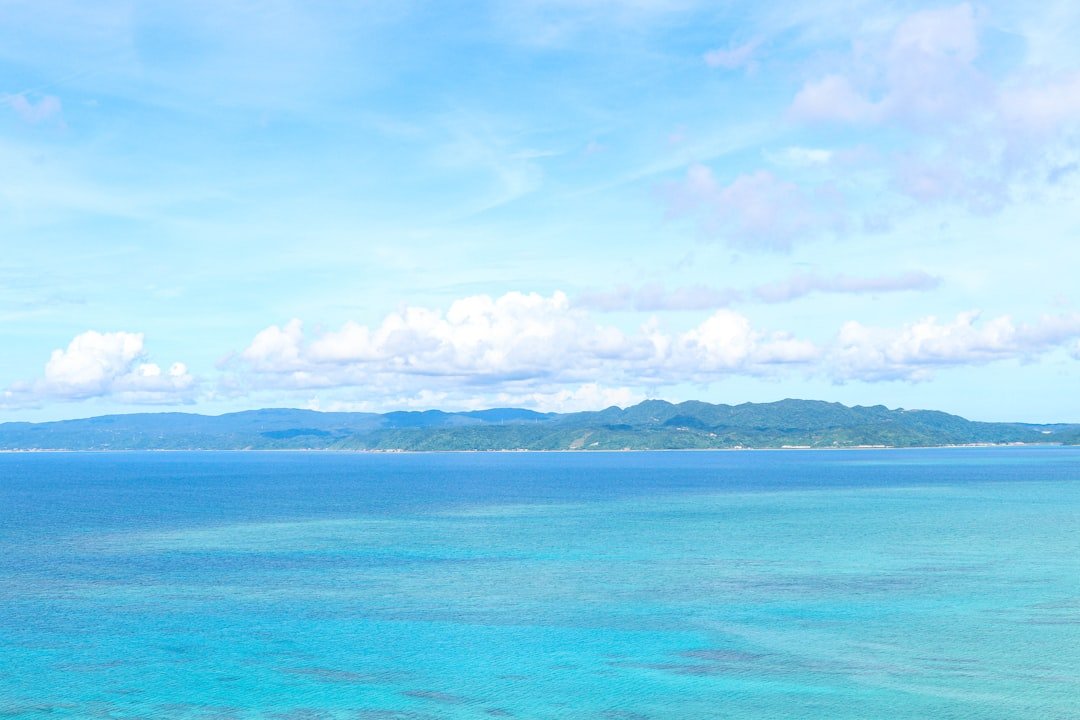
I have lived in Okinawa since 2019 and watched the same tourist loop repeat itself year after year: Churaumi Aquarium, American Village, a brief stop at a beach, repeat. It is not a bad loop — those places are popular for a reason — but it leaves out everything that makes Okinawa genuinely different from any other Japanese prefecture.
This guide is organized by region because geography matters here. Okinawa’s main island is about 135 km long but only 11 km wide at its narrowest point. Without a car you will be locked into Naha and whatever the tour buses access. With a car you can reach craft villages, hidden seawalls, and forest trailheads that most visitors never see. I flag which activities require wheels and which are reachable without them.
One honest note upfront: I have flagged certain spots as skippable not to be contrarian, but because your time is finite. If you have seven days, choosing wisely matters. If you want the full trip architecture, start with my Okinawa 7-day itinerary like a local before coming back here.
On 2026-03-14 I did a full day driving the central-to-north circuit specifically to recheck prices, opening hours, and crowd levels for this update. Notes from that visit are woven throughout the sections below.
Naha: 8 Things to Do in the Capital
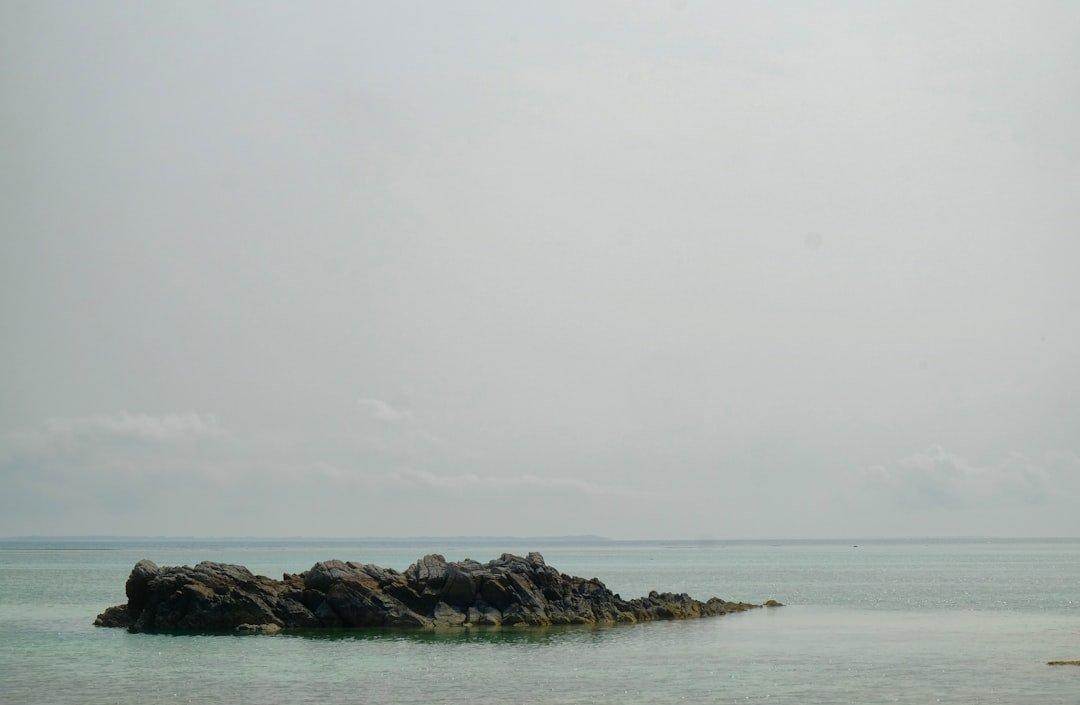
1. Shuri Castle (Shuri-jo)
Yes, it is on every list. Yes, it is still worth it. Shuri Castle is the architectural centerpiece of Ryukyuan civilization — a culture that was neither Japanese nor Chinese but synthesized both into something entirely its own. The main hall (Seiden) burned in October 2019 and reconstruction is ongoing, but the castle grounds, the Keijo Gate, the outer walls, and several ancillary halls are fully open and genuinely impressive.
Entry to the outer grounds is free. The inner sanctum (Naka no Shiro zone) costs ¥400 for adults as of my 2026-03-14 visit — unchanged from 2025. On that morning I arrived at 8:40 AM and had the Keijo Gate almost entirely to myself for about 20 minutes. By 10:15 AM two tour coaches had arrived and the paths were crowded. Go early.
Counter-intuitive insight: Most visitors focus on the rebuilt structures, but the original 15th-century stone walls on the northern perimeter — particularly the stretch near Ryufuku-mon Gate — survived 1945 and the 2019 fire. That unrestored stonework is the most historically authentic thing on the grounds. Spend time there rather than queuing for selfies at the main gate.
2. Daiichi Makishi Public Market
This is the market locals actually use. Daiichi Makishi Public Market is located at 2-10-1 Matsuo, Naha (a 3-minute walk south from Kokusai-dori’s midpoint). Ground floor hours are approximately 08:00–21:00 daily; second-floor restaurants open around 09:00 and close around 21:00, with individual vendors setting their own rest days — Tuesday is the most common closure day for individual stalls, though the market itself stays open.
The ground floor sells fresh fish, pork cuts, and produce you will not find at a convenience store. The second floor has small restaurants that will cook whatever you buy downstairs for a preparation fee of roughly ¥300–¥600 per dish. The market underwent full renovation and reopened in 2023, so the building is cleaner, but the vendors are the same families who have been there for decades. On my 2026-03-14 visit the second floor was about 60% occupied by 11 AM on a Friday — not packed, which made it easy to find a seat and order.
3. Kokusai-dori (Walk It, Do Not Shop It)
Kokusai-dori is Naha’s main tourist drag and the souvenir shops are mostly identical. Walk it once to get your bearings, eat at one of the side-street restaurants, then duck into the covered arcades — Heiwa-dori and Mutsumi-dori — that branch off from it southward. That is where the actual character lives: small tofu shops, elderly seamstresses, hardware stores that have been open since the 1970s. On weekend evenings food stalls set up along the edges selling taco rice (¥600–¥800), rafute pork belly skewers, and Blue Seal ice cream. Eating standing up outside is more Okinawa than sitting in a tourist restaurant.
4. Tsuboya Pottery District
A 10-minute walk from Kokusai-dori, Tsuboya is Naha’s historic pottery neighborhood. Okinawan pottery (yachimun) is thicker and bolder than mainland Japanese ceramics — heavy glazes, fish and wave motifs, earthy colors. Several workshops sell directly and you can watch potters working in a few of them. The Tsuboya Pottery Museum is at 1-9-32 Tsuboya, Naha; open 10:00–18:00, closed Mondays; entry ¥350. It gives useful historical context before you buy. This is a free neighborhood to wander; spending money is optional but easy.
5. Naminoue Beach (Free, Central, Underrated)
Naminoue is Naha’s city beach, overlooked by a highway overpass, which sounds terrible and looks a bit odd — but it is genuinely swimmable, free, has shower facilities, and sits about 15 minutes on foot from Kokusai-dori. If you arrive in Naha with a few hours before check-in, this is a better use of time than another souvenir shop.
6. Fukushuen Chinese Garden (Free on Weekdays)
Built in 1992 to commemorate the friendship between Naha and Fuzhou, China, Fukushuen Garden is at 2-29 Kume, Naha; open 09:00–18:00, closed Tuesdays. Entry is free on weekdays; ¥220 on weekends and public holidays. It is a formal Ming-dynasty-style garden with pavilions, koi ponds, and stonework — a genuine 30-minute pocket of quiet in a dense city.
7. Cape Kyan at Sunset
The southernmost accessible point of the main island. The cliffs are dramatic, the East China Sea views are wide, and at sunset the light is striking. There is a small lighthouse and a war memorial — this part of the island saw some of the fiercest fighting in 1945 and the site is solemn as much as scenic. Free, no facilities, requires a car or taxi from Itoman City.
8. Kokusai-dori Night Food and Sunday Walking
On Sunday mornings Kokusai-dori becomes a pedestrian zone from roughly 10:00–18:00. On weekend evenings the food stalls are the move: taco rice (an Okinawan invention from the American base era), rafute skewers at around ¥500–¥700, and Blue Seal shikwasa sorbet at ¥380. For deeper food context, see the 7-day local itinerary which has a dedicated food day built into the structure.
Central Okinawa: 9 Things to Do (Onna Village to Chatan)
9. Blue Cave Snorkeling, Onna Village
The Blue Cave (Aoi Doukutsu) near Cape Maeda is Okinawa’s most famous underwater site and earns its reputation. Sunlight enters through an underwater opening and reflects off the seabed to create electric blue light inside the chamber. It is not large, but the color is genuinely unlike anything I have seen in Japanese waters.
On 2026-03-14 I joined a morning snorkel session departing from the Cape Maeda car park at 09:30. Visibility was around 15 meters, the cave was uncrowded at that hour (perhaps 8 people total inside), and the guide — a local named Kenji from Blue Ocean Okinawa — pointed out a juvenile turtlehead filefish sheltering near the cave entrance that I would have missed on my own. By 11:30 AM a second group of roughly 20 people had arrived and the energy in the cave was noticeably different. Earlier is strongly better.
Affiliate link: if you book through this, I may earn a small commission at no extra cost to you.
Book a Blue Cave snorkeling tour via Klook — equipment included, guides know the site well, and it removes the logistical headache of gear rental. For certified or beginner divers wanting to go deeper, there is also a dedicated Onna Village Blue Cave scuba experience covering the cave and the reef beyond it. See also my best snorkeling spots in Okinawa local guide for site-by-site comparisons.
10. Cape Maeda (Beyond the Cave)
The rocky cape above the Blue Cave entry point is worth 30 minutes on its own. Water visibility from the surface is remarkable on calm days — you can see the reef structure clearly from the cliff edge. There are also shore entry points for independent snorkeling along the cape if you have your own gear and the tide is cooperative.
11. Sunabe Seawall, Chatan
Sunabe is where Okinawa’s diving and expat community actually spends its time. The seawall runs for about 1.5 km along the coast in Chatan Town, directly adjacent to the US base perimeter. Dive shops line the route, small bars and coffee shops face the water, and the walkable promenade is particularly good at dusk. The diving directly off the seawall is accessible to beginners and has resident seahorses and frogfish that local shops know exactly where to find. It does not look like a postcard — it looks like a real place people live — which is precisely the point.
12. American Village, Chatan — Honest Assessment: Skippable
American Village is a shopping and entertainment complex built to mimic an American boardwalk aesthetic. It has a Ferris wheel, chain restaurants, and clothing stores. If you are with teenagers who want an evening of shopping and fast food, it works. If you are choosing between this and Sunabe seawall at sunset, choose Sunabe — it is 10 minutes away and actually interesting.
13. Yomitan Pottery Village (Yachimun no Sato)
Yomitan is the other main pottery center outside Naha, and in my view it is the more interesting one. Yachimun no Sato is located at 656 Zakimi, Yomitan-son, Nakagami-gun; open approximately 09:30–17:30 daily (individual studio hours vary; most close one day per week, with Monday or Wednesday most common). There is no entry fee for the grounds.
The complex consists of working kilns set in pine woods, with a dozen or more potters selling from their own studios. The ware tends toward the rustic and functional — large communal anagama kilns are still fired seasonally. You buy directly from the makers. It is about 40 minutes north of Naha by car and easy to combine with a visit to Zakimi Castle just up the hill.
14. Zakimi Castle Ruins
Zakimi is one of Okinawa’s UNESCO-listed gusuku (castle sites) and far less visited than Shuri. The stone arch gateway and curved walls are well-preserved, and the hilltop location gives views over the western coast. Entry is free. It takes about 30 minutes to walk the site properly. Combine with Yomitan pottery for a solid half-day in central-west Okinawa.
15. Churaumi Aquarium, Ocean Expo Park
I will be direct: Churaumi is genuinely world-class. The Kuroshio Tank is one of the largest aquarium tanks on earth, housing three whale sharks and several manta rays. The outdoor manatee pool, the coral zone, and the dolphin shows (free with aquarium entry) round out a half-day easily. Adult entry: ¥2,180 (Ocean Expo Park official price page, checked 2026-08-24; unchanged from ¥2,180 in 2025). Opening hours: 08:30–18:30 (last entry 17:30), open daily.
Affiliate link: if you book through this, I may earn a small commission at no extra cost to you.
Book Churaumi Aquarium tickets via Klook in advance to skip the queue at the gate — peak season lines can be 30 minutes just to pay.
16. Tropical Dream Center (Ocean Expo Park)
Most visitors to Churaumi do not realize that Ocean Expo Park also contains the Tropical Dream Center — a large botanical complex with orchid greenhouses, tropical fruit gardens, and a tower with 360-degree views. Separate entry at ¥760 for adults. Worth adding if you are spending the day at the park. The orchid collection is serious and the grounds are genuinely beautiful.
17. Okinawa Prefectural Museum and Art Museum, Naha
The Okinawa Prefectural Museum and Art Museum is at 3-1-1 Onoyama, Naha; open 09:00–18:00 (Fridays and Saturdays until 20:00), closed Mondays; entry ¥530 for adults (permanent collection). It covers Ryukyuan history, natural history, and ethnography with strong English-language displays — the single best place to understand what Okinawa actually is before visiting the sites. Air-conditioned. Good on a hot afternoon or a rainy day. Pairs naturally with a walk through the Tsuboya district, which is 15 minutes on foot.
North Okinawa and Yanbaru: 7 Things to Do
18. Yanbaru National Park (Forest Hiking)
The northern third of Okinawa’s main island is covered by subtropical forest — Yanbaru — which became a national park in 2016 and a UNESCO Natural Heritage site in 2021. This is the habitat of the Okinawa rail (yambaru kuina), a flightless bird found nowhere else on earth, along with Okinawa woodpeckers and an extraordinary density of endemic species.
Hiji Falls is at the end of a 1-hour easy hiking trail; the trailhead is off Route 2, approximately 10 km north of Nago City center. Entry fee: ¥500 per adult; open 09:00–17:30 (last entry 16:30). The falls drop 26 meters into a rocky pool. Trails around the Aha dam area are accessible without a guide and free to enter.
Affiliate link: if you book through this, I may earn a small commission at no extra cost to you.
You need a car for Yanbaru — this is non-negotiable. An Okinawa car rental booked via Klook is essential for the north and gives you the flexibility to stop at unmarked viewpoints and forest trailheads that no bus reaches. For the full logistics picture, my Okinawa driving and rental car honest guide covers international permits, insurance options, and which roads to avoid.
19. Kouri Island and Kouri Bridge
Kouri Island is connected to the main island by a 2 km bridge — one of the longest toll-free bridges in Japan. The water on the approach is that particular shallow-reef turquoise that photographs like you have arrived somewhere tropical. Kouri Beach is small but pretty, and there is a heart-shaped rock formation at Tinu Beach worth a short walk. The island is small — half a day is enough. If you do not have a car, the Hip Hop Bus day tour from Naha covers Kouri Island, Churaumi, and other northern highlights efficiently.
20. Nakijin Castle Ruins
Another UNESCO gusuku, Nakijin is the largest castle site on the main island and in my view more atmospheric than Shuri. The walls wind across a forested hillside for over 1.5 km, and the views across the East China Sea from the upper terraces are exceptional. Entry: ¥600 for adults; open 08:00–18:00 (May–September until 19:00), closed for major maintenance only. In late January and early February, Nakijin hosts one of Okinawa’s earliest cherry blossom festivals — Okinawa’s Kanhizakura trees bloom months ahead of mainland Japan. For photography-specific guidance on positioning and timing, see my cherry blossom photography guide for Okinawa.
21. Ogimi Village Longevity Stops
Ogimi, on the northwest coast, is part of Okinawa’s so-called Blue Zone — one of the world’s documented longevity clusters. It is not a tourist attraction in the traditional sense, but you can eat at a local shokuji-dokoro (family restaurant) serving traditional Okinawan food, buy local turmeric and mozuku seaweed products directly from village shops, and walk roads where it is common to see 90-year-olds tending gardens. No entry fee. Meals typically run ¥700–¥1,200. The point is not to gawk — it is to eat well and understand why this food culture matters.
22. Okuma Beach and the Northern Coast
The far northern coast around Okuma has some of the most undeveloped beaches on the main island. Public beach access points near the Okuma area are free and often nearly empty outside of Japanese summer (mid-July to late August). Water clarity here is noticeably better than on the more developed central coast.
23. Cape Hedo (Northernmost Point)
Cape Hedo is the northern tip of the main island, where the East China Sea and the Pacific technically meet. The scenery is rugged — limestone cliffs, rough water, subtropical scrub. There is not much beyond the view and a small monument, but that is fine. It feels like the end of the world in the best possible way. Free. Requires a car.
On 2025-11-08 I drove to Cape Hedo specifically to time the route from Nago City: 55 minutes with no traffic. The road between Ogimi Village and the cape has several unmarked coastal pullouts with views over the Pacific that are arguably better than the cape itself. Stop when the water looks good rather than saving everything for the official endpoint.
24. Nago Pineapple Park — Honest Assessment: For One Specific Visitor Type
Nago Pineapple Park is a pineapple plantation turned theme park where you ride automated carts through pineapple fields. The pineapple soft cream is genuinely good (¥380). Everything else is aggressively commercial. If you have children under 10 or an absolute passion for pineapple merchandise, go. Otherwise skip it and spend the hour at Nakijin Castle instead.
Outer Islands: 6 Things to Do
25. Miyakojima: Yonaha Maehama Beach
Miyakojima is a separate island (35-minute flight from Naha, budget ¥5,000–¥12,000 depending on timing and booking window) and home to what is frequently cited as Japan’s most beautiful beach: Yonaha Maehama. Seven kilometres of white sand, shallow turquoise water, consistent offshore wind (it is a popular windsurfing location), and a beach that genuinely holds up to the description. There are no resort hotels directly on the beach itself, which helps. Day trips from Naha are feasible by flight, but a two-night stay on Miyakojima makes far more sense. For a cost breakdown including flights, accommodation, and food, see my Okinawa budget and real costs guide.
26. Miyakojima: Sea Turtle Snorkeling
Affiliate link: if you book through this, I may earn a small commission at no extra cost to you.
The reefs around Miyakojima have healthy sea turtle populations, and island dive shops run reliable turtle-spotting snorkel tours. A Miyakojima sea turtle snorkeling half-day tour via Klook typically runs around ¥6,000–¥8,000 with equipment. Turtle sightings are common enough to be expected rather than hoped for, which puts this tour well ahead of most marine-life-encounter experiences elsewhere in Japan. Three features worth knowing: small groups (typically 6–8 participants), snorkel equipment included, and guides brief you on approach behaviour so you do not startle the turtles. Book at least a week in advance in spring and summer.
27. Kerama Islands: Zamami and Tokashiki
The Kerama Islands are 35 km west of Naha and accessible by high-speed ferry (50–70 minutes, approximately ¥3,200 one way from Tomari Port). The “Kerama Blue” — the specific shade of water here — is a recognized local term, not marketing language. Furuzamami Beach on Zamami Island delivers world-class snorkeling directly from shore. Winter humpback whale watching (January–March) operates from both islands. Day trips are possible from Naha; a one-night stay on Zamami is better. For beach quality benchmarks, see my best beaches in Okinawa for 2026.
28. Ishigaki Island: Kabira Bay and Manta Scramble
Ishigaki is Okinawa prefecture’s second-largest city and a major island in the Yaeyama group. Kabira Bay is famous for its black pearl cultivation and photogenic white sandbars — swimming is prohibited (protected water) but glass-bottom boat tours run continuously. The island also has serious diving credentials: manta ray aggregations at Manta Scramble are among the most reliable in the world. Plan at minimum two nights; three is better.
29. Iriomote Island: Mangrove Kayaking
Iriomote, accessible from Ishigaki by ferry (40 minutes), is 90% subtropical jungle with the density and remoteness feel of Southeast Asia rather than Japan. The Urauchi River mangrove kayaking tour is the standard introduction — two hours paddling through river mangroves with a guide, leading to a waterfall. The island also has the Iriomote wildcat, though sightings are rare even for residents. This is a full-day excursion from Ishigaki minimum; staying overnight makes the jungle character far more accessible.
30. Multi-Day Sea Kayaking: Main Island Toward Kerama
For the active traveler: several operators run multi-day sea kayaking routes from the main island toward the Kerama chain. These are small-group guided expeditions (typically 2–4 days) that camp on uninhabited beaches and cross open water. Confirm your fitness level with the operator before booking. Prices vary, roughly ¥50,000–¥80,000 for a 3-day trip including camping and meals. This represents Okinawa at its most unfiltered.
What to Skip: Honest Notes on Overrated Spots
| Spot | Why It Is Famous | Honest Take | Better Alternative |
|---|---|---|---|
| American Village, Chatan | Instagram, nightlife | Generic shopping complex | Sunabe Seawall (10 minutes away) |
| Nago Pineapple Park | Family attraction | Over-commercialized theme park | Nakijin Castle |
| Kokusai-dori souvenir shops | Main tourist street | Identical goods at inflated prices | Tsuboya or Yomitan pottery direct from makers |
| Ryukyu Mura cultural park | Traditional Ryukyuan experience | Decent but staged; entry ¥2,000 | Nakamura House in Kitanakagusuku (free exterior) |
| Southeast Botanical Gardens | Nature escape near Okinawa City | Underfunded; underwhelming vs. entry cost | Yanbaru forest trails (free) |
Free vs. Paid: Quick Reference
- Free activities: Cape Hedo, Cape Kyan, Sunabe Seawall, Zakimi Castle, Yomitan Pottery Village grounds, Nakamura House exterior, Naminoue Beach, Yanbaru forest trailheads, Kokusai-dori walking, Makishi Market browsing
- Under ¥1,000: Tsuboya Pottery Museum ¥350 · Fukushuen Garden free weekdays / ¥220 weekends · Hiji Falls ¥500 · Nakijin Castle ¥600 · Shuri Castle inner zone ¥400 until 22 Nov 2026, then ¥1,000 · Okinawa Prefectural Museum ¥530 · Tropical Dream Center ¥760
- ¥1,000–¥3,000: Churaumi Aquarium ¥2,180 · Kerama Ferry one way approx. ¥3,200
- Guided tours: Blue Cave snorkeling ¥4,000–¥6,000 · Miyakojima turtle snorkeling ¥6,000–¥8,000 · Iriomote mangrove kayak ¥5,000–¥8,000 · Multi-day sea kayak ¥50,000–¥80,000
Getting Around: The Car Question
Okinawa’s bus network is functional in Naha and along Route 58 on the west coast, but it is not adequate for serious exploration. Buses run infrequently, do not reach most of the spots on this list, and make the north virtually inaccessible without a full-day organized tour.
Affiliate link: if you book through this, I may earn a small commission at no extra cost to you.
Rent a car from day 2 of your trip — most visitors stay in Naha on day 1 and do not need wheels. Book in advance via Klook’s Okinawa car rental page: availability tightens significantly during Golden Week (late April–early May) and Obon (mid-August). International driving permits are required for most foreign licence holders. Traffic keeps left, as in mainland Japan. Budget roughly ¥5,000–¥8,000 per day for a compact car including insurance.
For the complete picture including toll roads, parking behaviour, and which GPS units actually work in Yanbaru, my Okinawa driving and rental car honest guide covers it all. If you genuinely prefer not to drive, the Hip Hop Bus day trip from Naha covers the northern circuit efficiently and is well-organized compared to most bus tours.
When to Go and What Each Season Delivers
March–May and October–November are the sweet spots — warm enough for water activities, before the rainy season (late May to June) and before typhoon season (July–September). December–February is mild but too cool for beach swimming, and is perfect for hiking Yanbaru and whale watching in the Kerama.
On 2026-03-14 (my most recent field check for this guide) the sea temperature at Cape Maeda was 22°C — comfortable in a 3 mm wetsuit for snorkeling, slightly cold without one. The Nakijin cherry blossoms had already peaked around early February and the trees were fully leafed out by mid-March. Timing the north for late January to early February gets you Okinawa’s cherry blossom season at its best — a full two months before mainland Japan. For photography specifics, see my cherry blossom photography guide.
For a full month-by-month breakdown including the rainy season and typhoon patterns, my Okinawa rainy season complete guide gives the honest picture — including which activities are perfectly fine in rain and which genuinely require clear skies.
Book These: Recommended Tours and Accommodation
This article contains affiliate links. If you book through them, I earn a small commission at no extra cost to you — it helps keep the site running without paywalls or sponsored content.
Blue Cave Snorkeling Tour — Klook (Onna Village)
- Full snorkeling equipment included (mask, fins, wetsuit)
- Small group sizes; English-speaking guides available
- Departs from Cape Maeda — can combine with independent time at the cape before or after
This is the most straightforward way to experience the Blue Cave without dealing with gear rental logistics. Prices typically start around ¥4,500 per adult. I have done this tour twice — once as a new resident testing it for the site (2022) and once accompanying visiting family (2025). Both times the guides were knowledgeable about tide timing and positioned the group well for the best light inside the cave.
Churaumi Aquarium Tickets — Klook (Skip the Gate Queue)
Affiliate link: if you book through this, I may earn a small commission at no extra cost to you.
- Pre-purchased ticket; scan and walk in — no queuing at the payment window
- Adult entry ¥2,180; child rates available
- Covers aquarium, outdoor dolphin shows, and manatee pool — full Ocean Expo Park aquarium experience
On a weekday morning with pre-purchased tickets, arriving at 08:35 and having the Kuroshio Tank nearly to yourself for 40 minutes is entirely achievable. That is when the whale sharks are most active near the viewing panel. Peak weekend crowds at 11 AM are a different experience entirely.
Agoda — Accommodation Near Onna Village
If you are planning a Blue Cave morning and a Churaumi afternoon, staying in Onna Village the night before saves 90 minutes of driving versus commuting from Naha. Search Onna Village accommodation on Agoda →
- Coastal hotels with sea views available at multiple price points (budget guesthouses from approx. ¥6,000/night to resort hotels from ¥25,000/night)
- Many properties offer free parking — important if you are renting a car
- Proximity to Cape Maeda means you can be first in the water before tour groups arrive
Frequently Asked Questions
How many days do you actually need in Okinawa?
Plan Your Okinawa Trip
Affiliate links — using them helps support this site at no extra cost to you.
- Churaumi Aquarium tickets — skip the line at northern Okinawa’s iconic aquarium
- Okinawa World & Gyokusendo Cave — cultural park with Asia’s longest cave system
- all Okinawa tours on Viator — general catalog deep link for hub articles
- Shuri Castle & Peace Memorial walking tour — guided history walk through Naha’s heritage sites
Affiliate link: if you book through this, I may earn a small commission at no extra cost to you.
Affiliate link: if you book through this, I may earn a small commission at no extra cost to you.
Affiliate link: if you book through this, I may earn a small commission at no extra cost to you.
Affiliate link: if you book through this, I may earn a small commission at no extra cost to you.
Small commissions from these partners help keep this guide independent.